Things to Do in Juba in April
April weather, activities, events & insider tips
Low Season · Budget Friendly
April Weather in Juba
Long-run averages for April
95°F (35°C)
High Temp
74°F (23°C)
Low Temp
4.4 inches (112 mm)
Rainfall
54%
Humidity
13
Sunny-Day UV
⚠ Malaria transmission increases sharply with the onset of April's rains. Standing water multiplies breeding sites across the city. Begin antimalarial prophylaxis before arrival. Use DEET repellent and bed nets without exception. Medical facilities in Juba are limited. Severe malaria requires evacuation to Nairobi or Kampala. Do not take chances.
⚠ Flash flooding on unpaved roads can strand vehicles for hours after heavy afternoon downpours. Low-lying areas near the Nile flood first and drain last. These include parts of Gudele and areas south of Konyo Konyo Market. Avoid these routes during and immediately after storms. Check conditions first.
⚠ The combination of 35°C (95°F) heat and 54% humidity creates conditions conducive to heat exhaustion. This hits travelers arriving from cooler climates hardest. The wet heat of April is more physically taxing than the dry heat of January and February. Hydrate aggressively. Limit midday exposure. Recognise the early signs: dizziness, nausea, and cessation of sweating.
Is April Right for You?
Weigh the advantages and considerations before booking
Advantages
- + April shifts Juba out of its brutal dry season into early rains. The dust that coats everything from December through March finally settles. The landscape greens fast. The air smells of wet laterite instead of exhaust and grit. The White Nile swells enough to make the riverbank feel alive again. Mornings before the heat builds are pleasant, with temperatures around 23°C (74°F) until mid-morning.
- + Tourist crowds are essentially nonexistent. Juba does not operate on a tourist season in any conventional sense. But April sees fewer transient visitors than the dry months when NGO and diplomatic traffic peaks. You will likely have Jebel Kujur entirely to yourself on a weekday morning. The handful of riverside spots where locals gather in the evening feel unhurried and open to conversation.
- + The early wet season brings Juba's food culture into sharper focus. Vendors at Konyo Konyo Market start carrying fresh greens, okra, and groundnuts that disappear during the driest months. The sorghum harvest from the surrounding counties means kisra, the fermented flatbread that anchors most meals, is at its best. The smell of roasting goat drifts through Hai Malakal in the evenings. The seasonal mangoes are absurdly good.
- + April falls outside the heaviest rains of July and August. While you will encounter afternoon downpours, they tend to be sharp and finite rather than the all-day grey that settles over the city later in the year. This gives you a reasonable window for outdoor movement in the mornings. You get dramatic skies most evenings, the kind of bruised purple and copper light that makes the Nile look like something from a different century.
Considerations
- − Juba's infrastructure struggles in the best conditions. The early rains expose every weakness. Unpaved roads, which account for most of the city's network, turn to red mud after a heavy downpour. A 15-minute drive from Tongping to the riverfront can become 45 minutes of wheel-spinning if the afternoon storm hits hard. Movement planning is not optional here. It is the difference between a productive day and a stranded one.
- − The heat remains serious. At 35°C (95°F) with rising humidity, April in Juba feels heavier than the dry-season heat, which at least had the mercy of being dry. The combination of 54% humidity and afternoon temperatures means you sweat through clothes in minutes. Power outages happen daily, so air conditioning is never guaranteed. Generator fuel costs push accommodation prices up further.
- − Safety requires active management, not passive caution. Juba has improved since the worst years of the civil conflict. But the security environment remains fluid. Certain neighborhoods are best avoided after dark. Armed checkpoints operate on major roads. You need current, local intelligence about which areas are calm. Traveling without a trusted local contact or established organizational support is strongly inadvisable.
Best Activities in April
Top things to do during your visit
White Nile Sunset Boat Excursions
April's rising water levels on the White Nile make this the first month when small motorized boats can navigate comfortably past the shallows that choke the river during the dry season. The stretch of Nile running through Juba, from the old bridge downstream past the papyrus stands, catches the evening light in a way that makes the city's waterfront feel almost gentle. You will see kingfishers diving from overhanging branches, fishermen casting circular nets from wooden dugouts, and the occasional monitor lizard sunning on the muddy banks. The humidity means the sunsets bleed colour across the sky for longer than you would expect. Go in the late afternoon, around 4:30 PM, when the worst heat has broken but before the light fades. The water smells of clay and green vegetation. The sound of the engine cutting out as you drift is one of the few moments of true quiet the city offers. Arrange through locally recommended operators who maintain life vests and fuel reserves. See current options in the booking section below.
Booking Tip: Arrange boat access through established local operators at least three to five days ahead. April water levels are rising but not yet at their peak, so confirm that your operator has recently run the route. Insist on seeing life vests before boarding. Morning departures are cooler but miss the best light. Late afternoon is the sweet spot.
Jebel Kujur Sunrise Hike
Jebel Kujur rises about 5 km (3.1 miles) south of central Juba, a rocky granite inselberg that looks like it was dropped onto the flat savannah from somewhere else entirely. In April, the scrubby vegetation around its base starts greening up with the first rains. The rock face holds the cool of the night until about 8 AM, which gives you a narrow but real window for a climb that would be punishing by midday. The ascent is not technical, roughly 400 m (1,312 ft) of elevation gain over loose rock and packed red earth. But it is steep enough to get your heart rate up. From the top, the view extends across Juba's low sprawl to the Nile curving north. On clear mornings you can see the haze of cook-fire smoke rising from the settlements east of the river. The rock underfoot is warm even at dawn. The texture is gritty under your palms where you brace on steeper sections. The silence up there, broken only by the occasional call of a pied crow, is a stark contrast to the city below. Start no later than 5:45 AM. By 9 AM the granite radiates heat that will turn the descent into an ordeal.
Booking Tip: Hire a local guide through your accommodation or an established operator in Tongping. The trails are not marked and the approach road can be confusing. Bring at least 2 litres (0.5 gallons) of water per person. There is no shade on the upper slopes. Check the previous night's weather, as rain makes the rock slippery and the red-earth sections treacherous. See the booking section below for guided options.
Konyo Konyo Market Cultural Walk
Konyo Konyo is Juba's central market and the closest thing the city has to a public square. The name means 'everything everything' in Juba Arabic. That is not an overstatement. Under a maze of corrugated iron roofing and blue tarpaulins, vendors sell mangoes stacked in perfect pyramids alongside Chinese-made electronics, bolts of wax-print fabric from West Africa, sacks of dried hibiscus flowers, and plastic buckets of groundnut paste so thick the wooden stirring stick stands upright. In April, the early rains bring fresh produce that has been absent for months, and the market smells shift from dust and diesel to overripe fruit and the sharp green scent of fresh okra. The noise is constant. Radio music layers over haggling in Arabic, Bari, Dinka, and Nuer, the clang of a butcher's cleaver, the hiss of charcoal under a tea kettle. Go before 10 AM when the heat is still manageable and the light filtering through gaps in the roofing creates shafts of dust-moted gold over the produce stalls. This is where you eat breakfast: ful medames, slow-cooked fava beans mashed with sesame oil and eaten with flatbread, served from a blackened pot that has likely been simmering since 4 AM.
Booking Tip: Do not attempt Konyo Konyo without a local companion the first time. The layout is disorienting. Certain sections are best navigated with someone who knows the vendors, and having a Juba Arabic speaker transforms the experience from overwhelming to illuminating. Arrange a guide through your accommodation or a local cultural organisation at least two days ahead. Keep valuables concealed. Carry only what you need for the morning.
Nile Wetland Birdwatching
The papyrus swamps and floodplain margins along the White Nile north of Juba hold some of the richest birdlife in East Africa, and April is when the early rains start drawing migratory species back while resident populations are nesting. You are likely to see malachite kingfishers, their electric blue plumage absurdly bright against the brown water, along with Goliath herons standing chest-deep in the shallows, African jacanas walking across lily pads with improbable delicacy, and, if you are patient and quiet in the papyrus edges at dawn, the shoebill stork, one of the most sought-after birds on the continent. The air at the riverbank smells of wet vegetation and fish, the papyrus rustles with a dry-paper sound even in still air, and the light on the water before 7 AM is flat and soft enough for serious photography. April's humidity means binoculars fog easily. Bring a lens cloth. Give your optics a few minutes to acclimatise after leaving an air-conditioned vehicle.
Booking Tip: Birdwatching excursions require a vehicle, a boat for the wetland margins, and a knowledgeable local guide who can identify species and navigate access. Arrange at least a week ahead through operators familiar with the Nile corridor north of the city. Early morning departures, leaving by 5:30 AM, are non-negotiable for the best sightings. See current guided options in the booking section below.
Traditional South Sudanese Cooking Sessions
Juba's food culture is one of the least documented in Africa, which means learning to prepare it is both rare and instructive. April is the ideal month because the seasonal ingredients, fresh groundnuts, young okra, green mangoes, sorghum flour from the recent harvest, are all available at the markets. A cooking session typically takes place in a family compound in one of the older residential areas like Munuki or Kator, where the kitchen is a charcoal stove under a mango tree and the workspace is a concrete slab worn smooth by decades of use. You will learn to make kisra, pouring fermented sorghum batter in a thin spiral across a hot flat stone until it sets into a spongy, slightly sour flatbread that tastes nothing like what the word 'flatbread' suggests. The groundnut stew, bamia, thick with okra and slow-cooked goat, fills the compound with a rich, nutty, faintly smoky smell that clings to your clothes for the rest of the day. The texture of pounding groundnuts in a wooden mortar, the resistance and then the sudden give as the paste forms, is something your hands remember.
Booking Tip: These sessions are arranged informally through local contacts, cultural organisations, or community groups rather than commercial tour platforms. Ask your accommodation or a local fixer to connect you with a family willing to host, and allow at least three days for the arrangement. Bring a small gift for the household. Sessions typically run three to four hours and include the meal you have prepared.
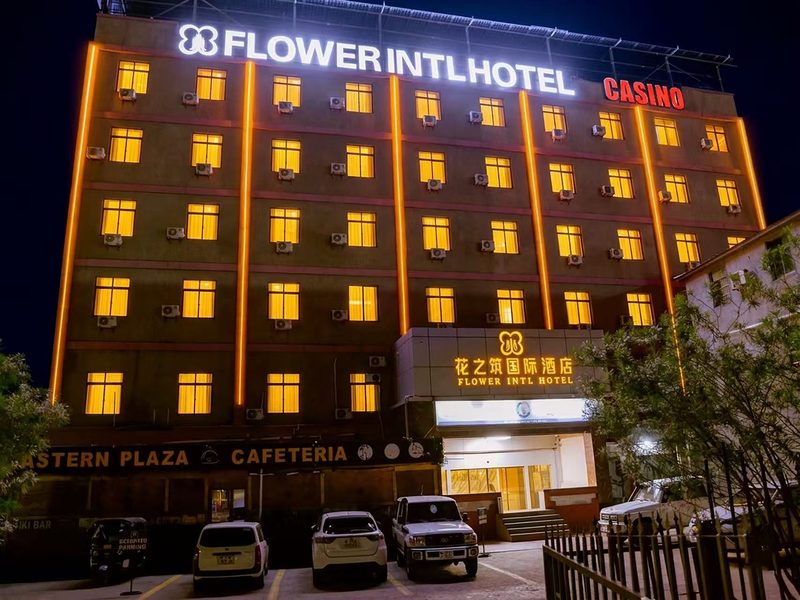
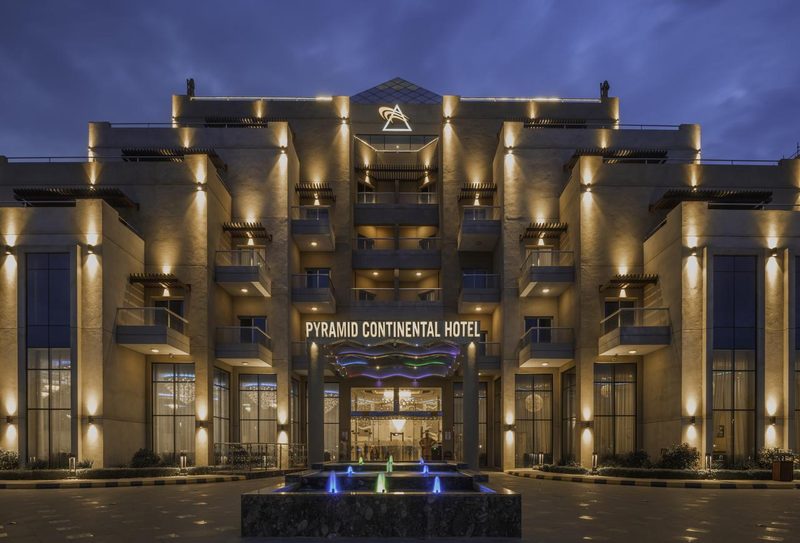
Where to Stay in Juba in April
Hand-picked hotels across price tiers for April travellers.
Public Holidays in April
Dates that affect opening hours, transport and crowds
Good Friday
Observed nationwide as a public holiday.
Holy Saturday
Observed nationwide as a public holiday.
Easter Sunday
Observed nationwide as a public holiday.
Easter Monday
Observed nationwide as a public holiday.
Packing Checklist
Bookmark this page — your progress is saved between visits
Need the full list with shopping links?
Climate-specific gear, brand recommendations, and what to leave at home.
View Juba Packing List →Essential Tips
Insider knowledge and common pitfalls to avoid
Insider Knowledge
Juba runs on two economies that exist in parallel. The NGO and diplomatic community, concentrated in Tongping and parts of Thongpiny, inflates prices for accommodation, transport, and dining to levels that rival European capitals. Step outside that circuit, into the local restaurants along Custom Market or the tea stalls near Konyo Konyo, and costs drop dramatically. The food is also better. The goat suya grilled over charcoal at a roadside stand in Hai Malakal, the fat sizzling and dripping onto the coals with a hiss you hear from across the street, costs a fraction of the same cut served in a Tongping compound restaurant, and it tastes of smoke and salt and the marinade the vendor has been perfecting for years.
Juba's nightlife, such as it exists, centres on a handful of outdoor compound bars in Tongping and along the Nile, where generators power speakers and coloured lights string between acacia trees. The atmosphere on a Friday or Saturday night is relaxed, with South Sudanese pop music mixing with Congolese rumba, cold Tusker or White Bull beer, and a crowd that is a mix of locals, NGO workers, and diaspora visitors. The key is knowing which venues are currently operating and considered safe, and that changes month to month. Your local contact is your nightlife guide. There is no app or listing that stays current. Go with someone who went last weekend.
April's rains transform Juba's road network. The main tarmac arteries, Ministries Road, the airport road, hold up reasonably well. But any turn onto a secondary route risks a 20-minute detour becoming a two-hour ordeal in axle-deep mud. Arrange your transport with a driver who knows the city's drainage patterns and alternate routes. Four-wheel drive is not a luxury here. It is a basic requirement from April through October. The sound of a Land Cruiser grinding through a flooded junction, water surging past the door panels, is one of those Juba experiences you do not forget.
Mobile money, primarily through MTN and Zain networks, is how most transactions work outside the formal economy. Having a local SIM card with mobile money activated gives you access to vendors, transport, and services that cash alone does not. The registration process requires your passport and a local contact's phone number. Set this up on your first day. Your fixer or hotel can walk you through it in under an hour. The cellular signal in central Juba is adequate but drops unpredictably in outer suburbs, during storms when towers lose power.
Avoid These Mistakes
Arriving without a local contact, fixer, or organisational anchor and assuming you can navigate Juba independently. This is not a city with tourist infrastructure, signage, or reliable mapping. A trusted local connection is not a convenience. It is the single most important element of your trip. They negotiate transport, advise on which areas are calm today versus last week, translate between Juba Arabic and English when your phrasebook fails, and know which road just flooded. Arrange this before you book your flight, not after you land.
Underestimating how expensive Juba is. First-time visitors expect East African pricing and encounter something closer to Geneva. Nearly everything is imported, supply chains are fragile, and the humanitarian economy has distorted prices upward for over a decade. Accommodation that would be budget-tier in Nairobi commands premium rates here, and a simple meal in the Tongping expat zone costs what a multi-course dinner costs in Kampala. Budget generously and carry a reserve; ATMs exist but are unreliable, and card payment is essentially nonexistent outside a few high-end establishments.
Treating April's weather as either harmless or uniformly terrible. The mistake is failing to plan around the daily rhythm. Mornings are the productive window: warm but not yet crushing, dry, with good light and bearable humidity. By early afternoon, the heat peaks and the thunderheads build. The rain, when it comes, arrives fast, drops hard for 30 to 60 minutes, and then clears to a sky washed clean. Schedule outdoor activities for morning, have an indoor fallback for mid-afternoon, and plan your evening movement for the dry window after the storm passes. Fighting the weather pattern instead of working with it wastes your limited energy and daylight.
Ready to plan your trip to Juba?
Now that you've got the research covered, here's where to go next.
Explore More Activities in Juba