Things to Do in Juba in January
January weather, activities, events & insider tips
Low Season · Budget Friendly
January Weather in Juba
Long-run averages for January
98°F (36°C)
High Temp
68°F (20°C)
Low Temp
0.2 inches (5 mm)
Rainfall
23%
Humidity
10
Sunny-Day UV
⚠ The heat is brutal. Average highs hit 36°C (98°F). The sun beats down without mercy. Heatstroke and dehydration threaten anyone unaccustomed to Sahel conditions. Medical facilities in Juba are basic. Evacuation is complicated. Carry oral rehydration salts. Seek midday shade. No exceptions.
⚠ Laterite dust fills the air in January. Unpaved roads and markets are worst. Asthma sufferers beware. Pack medication. Bring face coverings. Dust destroys electronics. Seal your cameras. Protect your phones. Cases are essential here.
⚠ Malaria never leaves. The Juba area carries risk year-round, dry season included. January sees fewer mosquitoes than the rainy months. They still swarm near the Nile and standing water. Take prophylaxis. Use DEET repellent. Sleep under bed nets. These are mandatory. Not optional.
Is January Right for You?
Weigh the advantages and considerations before booking
Advantages
- + January is the driest month of the year in Juba, with a negligible 5 mm (0.2 inches) of rain. The unpaved roads that turn to red-clay rivers during the wet season are firm and passable. Overland movement within and around the city is about as reliable as it gets. This is your window to reach locations outside the capital.
- + Humidity drops to 23 percent, the lowest Juba sees all year. That is still paired with 36°C (98°F) highs. Without the oppressive moisture, the air is bearable. July and August feel like breathing through a wet towel. Mornings before 8 AM and evenings after 5 PM are pleasant along the Nile. Temperatures settle around 20°C (68°F). A dry breeze comes off the water.
- + The White Nile runs at its calmest and clearest in January, after months of receding floodwater. Riverside access points that are submerged or muddy from April through November are open. The light on the water in late afternoon turns copper and rose. The hazy wet-season sky never allows this.
- + Dry season concentrates social life outdoors. Markets are at their most large. Riverside gathering spots are packed in the evenings. The overall energy of the city tilts toward movement and exchange. The rains bring a hunkered-down rhythm. January shows how Juba lives more clearly than any other month.
Considerations
- − The heat is unrelenting. By 11 AM the air temperature is already above 35°C (95°F). Exposed ground radiates heat back at you from below. Midday outdoors is not uncomfortable. It is physically dangerous without shade, water, and sun protection. The city has limited green canopy. Large stretches of road and market have zero shade cover.
- − Dust is the defining texture of January in Juba. Every vehicle on an unpaved road kicks up a plume of fine laterite dust. It coats skin, clothes, food, and electronics within hours. It gets into camera lenses. It settles on wet lips. The air carries a faint burnt-earth taste. You stop noticing after a few days. You never fully escape it. Respiratory sensitivity is a real consideration.
- − Juba has limited conventional tourism infrastructure. There are no hop-on-hop-off circuits. There are no curated walking tours at every corner. There are no chain hotels with concierge desks and airport shuttles. Navigating the city requires advance planning, local contacts, and a willingness to improvise. Improvisation is not optional here. It is expected. Security conditions require genuine situational awareness. Most travelers need pre-arranged ground transport with a trusted local operator.
Best Activities in January
Top things to do during your visit
White Nile River Sunset Excursions
The White Nile through Juba in January is at its most navigable, running low and clear after months of receding floodwater. Late afternoon on the river is the single best sensory experience the city offers. The water turns from grey-green to amber as the sun drops. The temperature falls to something human. The banks reveal a cross-section of Juba life that no road trip duplicates. You will see fishermen casting circular nets from dugout canoes. Women wash clothes on the flat rocks downstream. Children swim in the shallows near Juba Bridge. Cattle herders drive their animals to drink at the water's edge as egrets scatter ahead of them. The smell of woodsmoke from cooking fires along the bank mixes with the wet-mineral scent of the river itself. January's bone-dry air means visibility is sharp until the last light goes. The lack of cloud cover produces sunsets that are less dramatic than the storm-lit wet-season skies. They are longer, quieter, and more photogenic. Arrange excursions through established local operators who know the river's current sandbars and shallow points. The riverbed shifts seasonally. January's low water exposes obstacles that the rains conceal. See current options in the booking section below.
Booking Tip: Arrange through locally connected operators at least a week ahead. River excursions are informal. They are typically organized through guesthouse networks or local contacts rather than online platforms. Confirm safety equipment and life jackets before boarding. Late afternoon departures around 4 PM give you the best light. They also give you the most tolerable temperatures on the water.
Konyo Konyo Market Cultural Immersion
Konyo Konyo is Juba's central market. The name itself tells you what to expect. It means roughly 'this and that' in Bari, the language of the people indigenous to this stretch of the Nile. In January, the dry ground means the market sprawls to its maximum footprint. Traders spread goods across every available meter of packed red earth. The noise is a wall. Competing radios play South Sudanese pop and Congolese rumba. Vendors call prices in Arabic and Juba Arabic. Metal cooking pots clatter as they are stacked. Butchers work through goat carcasses in the open air with rhythmic thwacks. The smell is equally layered. Roasting groundnuts. Raw dried fish stacked in baskets. The sweet fermented tang of marisa beer brewing in plastic drums. Diesel from the generators that power the phone-charging stalls. You will find everything from secondhand clothing bales shipped from the Gulf to hand-forged agricultural tools. Piles of okra and cassava leaves arranged on woven mats. Go early, before 9 AM. The heat is still manageable then. The produce vendors are at their freshest. January's dry conditions mean the footing is stable. The wet months turn the unpaved aisles into slick clay trenches.
Booking Tip: No booking needed. The market operates daily with the largest selection on mornings. Go with a local guide or trusted contact who can navigate the layout and handle Juba Arabic negotiations. Keep valuables minimal and secured. Photography is best approached with patience and permission. A smile and a greeting in Arabic or Bari goes further than a camera raised without warning.
Jebel Kujur Hill Trek
Jebel Kujur rises south of Juba's sprawl, a rocky granite hill that works as both a navigational landmark and, for the Bari community, a site of deep cultural and spiritual significance. In January, the surrounding savanna is dry and golden-brown, the grasses beaten flat by months without rain, and the trail up is firm underfoot rather than the slick red mud it becomes from April onward. The climb itself is moderate, maybe 2 km (1.2 miles) from the base to the upper rocks. But the heat means you absolutely must start before 7 AM. Carry at least 2 liters (half a gallon) of water per person. From the top, Juba spreads out below you: the silver thread of the Nile bisecting the city, the corrugated rooftops catching early light, the ring of tukuls and newer concrete buildings bleeding into savanna at the city's edges. The wind up top carries a different smell than the city below, something dry and mineral, like sun-baked stone and wild sage. It is one of the few places near Juba where you can feel removed from the noise and density of the capital. Ask locally about current access conditions and whether a community guide is expected. Approaching through the Bari community with respect for the site's spiritual weight is not optional, it is the price of admission.
Booking Tip: Arrange through a local contact or community liaison rather than showing up unannounced. A community guide is strongly recommended both for cultural respect and for route-finding, as trails are unmarked. Start at first light to beat the heat. By 10 AM the exposed rock face is too hot to touch comfortably. Sturdy closed-toe shoes are essential, as the laterite trail has loose gravel and thorny scrub on either side.
Nile-Side Food and Local Cuisine Exploration
Juba's food identity lives in its street-level economy, and January's dry evenings push the city's eating life outdoors. Along the Nile and at gathering points across the city, the air after sundown carries the smell of nyama choma, meat grilled over charcoal until the fat renders and the edges blacken, served on metal trays with a side of ugali, the dense maize porridge you tear with your fingers and use to scoop stew. Breakfast means ful medames, slow-cooked fava beans mashed with sesame oil, chili, and raw onion, eaten with rounds of flatbread still warm from the pan. The fermented sorghum flatbread called kisra has a sour, almost yeasty tang that takes one or two tries to love but becomes addictive once it clicks. For something sweet, look for the women selling freshly roasted groundnuts in newspaper cones at market edges, still hot enough to burn your palm through the paper. The Nile perch and tilapia pulled from the White Nile and grilled whole at riverside spots have a clean, firm-fleshed flavor that owes everything to the river and nothing to a freezer. January evenings are dry and warm enough that eating outdoors until late feels natural, and the lack of mosquito swarms that plague the wet months makes riverside dining far more comfortable.
Booking Tip: No advance booking required for street food and market dining. Eat where locals eat and where turnover is high. Bring hand sanitizer and be prepared for communal eating setups. The best riverside food spots fill up after sunset. Arrive by 6:30 PM for a good position. Stick to freshly cooked dishes served hot and avoid anything that has been sitting at ambient temperature.
South Sudanese Heritage and Memorial Sites
Juba's modern identity is inseparable from the independence struggle, and January is a reflective month in the city's calendar, falling between the anniversary of the 2005 Comprehensive Peace Agreement that set the path to independence and the longer arc of remembrance that shapes public life here. The Dr. John Garang de Mabior Mausoleum, dedicated to the SPLM leader who died in a helicopter crash just weeks after the CPA signing, is the most significant memorial in the city. The site sits near Freedom Square, where the bronze statue of Garang faces the Nile with one arm raised. Whether or not you know the history before arriving, standing at the mausoleum in the dry-season heat, with the flag overhead and the quiet of the grounds a sharp contrast to the noise of the surrounding city, communicates something about what independence cost this country that no article can replicate. The city's few remaining colonial-era structures along the Nile, some repurposed and others crumbling, add a physical layer of historical depth. All Saints Cathedral, one of the oldest churches in the region, still holds services and carries the patina of decades of use, its interior a few degrees cooler than the furnace outside.
Booking Tip: No formal tickets or bookings required for most heritage sites. A local guide who can provide historical context transforms these visits from sightseeing into genuine understanding. Photography policies vary. Ask before shooting at memorial sites. Early morning visits are best for both temperature and reflective atmosphere. Check current access conditions through your accommodation or local contacts, as site availability can shift.
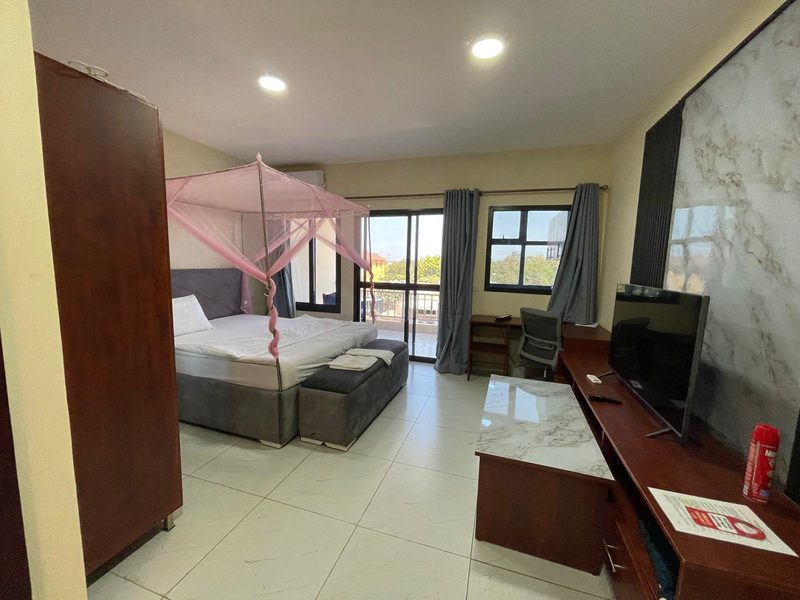
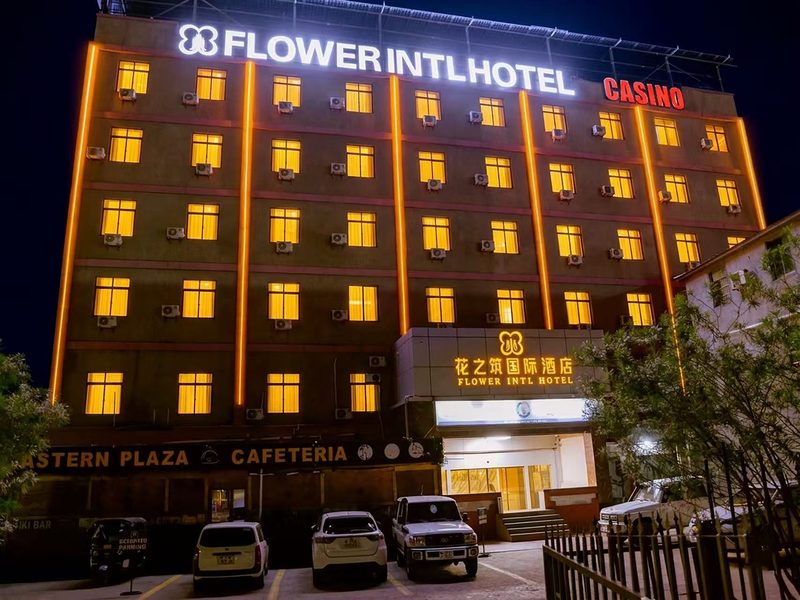
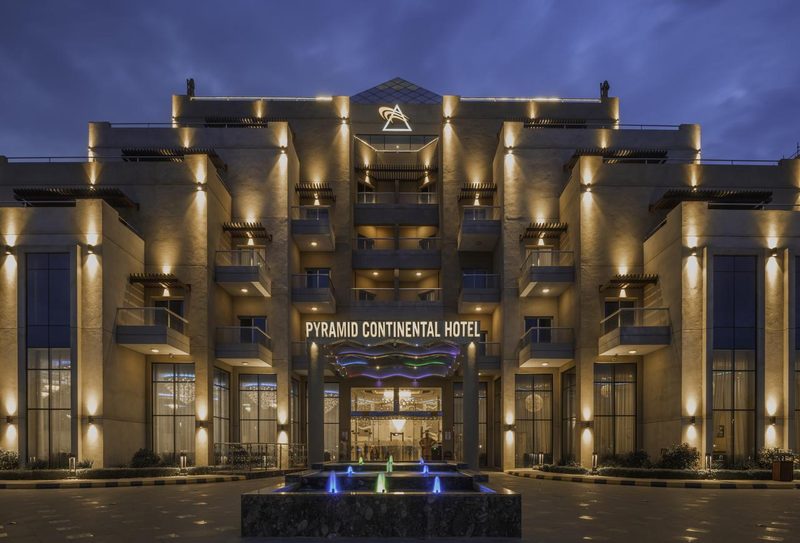
Where to Stay in Juba in January
Hand-picked hotels across price tiers for January travellers.
Public Holidays in January
Dates that affect opening hours, transport and crowds
New Year's Day
Observed nationwide as a public holiday.
New Year's Day
Observed nationwide as a public holiday.
Packing Checklist
Bookmark this page — your progress is saved between visits
Need the full list with shopping links?
Climate-specific gear, brand recommendations, and what to leave at home.
View Juba Packing List →Essential Tips
Insider knowledge and common pitfalls to avoid
Insider Knowledge
Juba runs on relationships, not infrastructure. Your most valuable asset is a trusted local contact who can arrange transport, translate Juba Arabic, and read situations you cannot. Invest time in this connection before you arrive, not after. The expat and NGO community networks are often the best route in. Guesthouses that cater to aid workers can connect you with reliable drivers and fixers who understand both the city and the security landscape.
The US dollar is the practical currency of Juba. The South Sudanese Pound fluctuates enough that many vendors, landlords, and service providers prefer USD outright. Bring more small bills than you think you need. Changing money at the official rate versus the parallel market rate is a decision with real consequences. Ask locally before exchanging anything, and never change money with strangers on the street.
Juba's morning hours between 6 AM and 9 AM are a different city. The temperature is around 22 to 24°C (72 to 75°F), the light is golden and low, the dust has not yet been kicked up by traffic, and the pace is human. Riverside spots are quiet enough to hear birdsong. By 10:30, the heat has closed this window completely. Every outdoor activity, market visit, and photo opportunity should be front-loaded into these hours.
The Juba Bridge crossing over the White Nile can bottleneck unpredictably, in the morning and late afternoon. If you need to move between the east and west banks, build extra time into every plan. Sitting in a vehicle on the bridge in full January sun with no shade and no breeze is an experience you will remember with no fondness at all.
Avoid These Mistakes
Do not underestimate the heat because the humidity is low. Twenty-three percent humidity at 36°C (98°F) feels deceptively tolerable compared to the suffocating wet-season months, so travelers push through midday thinking they are fine. They are not. Heatstroke risk in Juba's January is real, and the city has limited emergency medical infrastructure. Drink water before you are thirsty, and get indoors or into shade between 11 AM and 3 PM.
Never arrive without pre-arranged transport and security awareness. Juba is not a city where you flag down a taxi at the airport and figure things out as you go. Ground transport should be organized before you land, ideally through your accommodation, an established NGO, or a vetted local contact. Walking long distances is inadvisable both for safety reasons and because January's sun and dust make it physically punishing. Know your route, your driver, and your fallback plan.
Do not expect conventional tourism services to exist. There are no tourist information offices, no multilingual signage, no curated city maps, and no reliable public transit. Juba's economy serves its residents, the UN mission, and the aid community, not leisure travelers. The travelers who have the best experience here are the ones who arrive with realistic expectations, local connections, and a genuine interest in the place on its own terms rather than measured against what a capital city looks like elsewhere.
Ready to plan your trip to Juba?
Now that you've got the research covered, here's where to go next.
Explore More Activities in Juba