Things to Do in Juba in February
February weather, activities, events & insider tips
Low Season · Budget Friendly
February Weather in Juba
Long-run averages for February
100°F (37°C)
High Temp
71°F (21°C)
Low Temp
0.4 inches (10 mm)
Rainfall
27%
Humidity
12
Sunny-Day UV
⚠ Extreme heat reaches 37°C (100°F). Intense equatorial sun creates serious heatstroke and dehydration risk. Limit outdoor activity to early morning and late afternoon. Consume water continuously. Do not wait until you feel thirsty.
⚠ Dry-season dust storms reduce visibility and irritate respiratory conditions. Fine laterite particles, suspended by wind and vehicle traffic, coat surfaces and lungs alike. A face covering and eye protection are practical necessities on windy days.
⚠ Malaria transmission continues year-round in Juba. Reduced mosquito populations in dry months do not eliminate risk. Prophylaxis is mandatory. Start before arrival per your prescribing physician's timeline.
Is February Right for You?
Weigh the advantages and considerations before booking
Advantages
- + February sits dead center in Juba's dry season. The laterite roads, which dissolve into rust-colored soup from April through October, stay hard-packed and drivable. Overland trips to Nimule or Bandingilo shift from pipe dreams to actual possibilities. The White Nile slows and clears, turning riverside afternoons into something almost meditative. Move around the region now, or wait another year.
- + Humidity hovers near 27%. That dry air makes the extreme heat bearable, unlike the wet months when moisture coats your skin like a second shirt. Evenings fall to around 21°C (71°F). After a day of punishing sun, that feels almost cool. The air carries a dry, faintly smoky edge from cooking fires and charcoal stoves. It drifts across compounds after dark.
- + Cultural programming ticks up in dry-season Juba. NGO and diplomatic circles organize gallery nights, live music, and film screenings. Visitors are welcome. The expat social calendar peaks before the rains return. These gatherings offer the fastest path to understanding daily life's real texture here.
- + Reliable sunshine and minimal rain make February practical for Nile-side markets and open-air food stalls. Skip the mud, flooding, and mosquito surges that plague wet-season visits. Konyo Konyo Market, Juba's large commercial heart, becomes walkable. No wading through standing water required. The smell of grilled Nile perch and roasting groundnuts travels further in dry air.
Considerations
- − The heat is brutal. By midday, 37°C (100°F) turns unpaved roads into radiators. Glare off corrugated roofing delivers headaches before you've walked half a kilometre (0.3 miles). Between roughly 11 AM and 3 PM, Juba shuts down. Locals retreat to shade. Shops pull shutters partway. You should too. Sightseeing through peak heat is not adventurous. It is foolish.
- − Security outside Juba proper stays fluid and unpredictable. The capital has been relatively stable compared to national conflict zones. Still, petty crime, occasional carjackings, and checkpoints staffed by unpredictable armed personnel demand constant awareness. Travel beyond city limits requires current intelligence. Most visitors need local guides or organizational support. Do not wing this destination.
- − Tourism infrastructure here is sparse by any standard. International visitor accommodation is limited and expensive for what you receive. Power outages are routine. Water supply is inconsistent. Medical facilities are basic. Need reliable internet? Air conditioning that works through the night? Hospitals equipped for serious emergencies? Juba will test you.
Best Activities in February
Top things to do during your visit
White Nile Riverside Walks and Sunset Watching
February's dry heat and clear skies make the White Nile banks Juba's most comfortable zone from 4 PM onward. The river runs lower and calmer than during rains. Its surface catches copper and pink as the sun drops behind the western bank. Near Juba Bridge, locals gather in late afternoon. The breeze carries charcoal smoke and the sound of Bari and Juba Arabic mixing in conversation. The light is extraordinary. Flat golden warmth makes even Juba's dusty skyline look painterly. Walk here in relative cool. Egrets pick through shallows. Fishermen haul Nile perch. This is the city's closest approach to tranquility.
Booking Tip: No formal booking needed for riverside walks. Still, hire a knowledgeable local guide through your accommodation or established community organization. Safety and context both matter. Good guides explain fishing traditions, point out birdlife, and steer you clear of trouble spots. Organized river excursions may be available. Check current options below.
Konyo Konyo Market Immersion
Juba's largest market assaults the senses in the best, most honest way. February's dry season bakes the mud that typically clogs aisleways. Navigation becomes possible. You can walk the labyrinth of corrugated-metal stalls and tarpaulin shelters without destroying your shoes. The air carries dried okra, raw tobacco, engine grease, and overripe mangoes heaped on plastic sheets. Vendors sell secondhand clothing from East African bales, locally forged machetes, mobile phone credits, and burlap sorghum sacks. Noise never stops: Arabic haggling, phone speaker music, metal bowl clatter. Arrive early. Before 9 AM, heat stays manageable and produce stalls hold the best leafy greens and tomatoes trucked from Uganda.
Booking Tip: No booking required. Bring a local companion. Dense markets disorient. Someone who knows the layout and vendors transforms overwhelming into illuminating. Ask your accommodation for recommendations. Keep valuables minimal. Stay aware.
Jebel Kujur Hill Trek and Cultural Landscape
This rocky hill sits on Juba's outskirts. It offers one of the few elevated vantage points in an otherwise flat river plain city. February's bone dry conditions make the scramble up its slopes far safer than attempting it on rain slicked rock. From the top, maybe 100 m (328 ft) above the surrounding terrain, you get a panoramic read on Juba's geography. The White Nile curves through the city below. You can see the patchwork of tukuls and newer concrete structures. The red earth roads thread outward toward the bush. The hill holds cultural significance for the Bari people. The rock formations have a wind smoothed quality that feels ancient. The rapidly changing city below does not. Start before 7 AM. By 9 AM the rock surface is hot enough to feel through shoe soles. There is zero shade on the ascent.
Booking Tip: Arrange a guide through a local cultural organization or your accommodation. The Bari community connection matters here. Showing up with someone who can explain the site's significance and introduce you to locals elevates this from a hike to an encounter. See current guided options in the booking section below.
Nile Perch and Street Food Tasting Along Custom Market Road
Juba's food is underrated by anyone who has not sat on a plastic chair at dusk. Watch a woman grill a slab of Nile perch over charcoal so hot the air above it ripples. February evenings, when temperatures drop to around 21°C (71°F), are when the street food economy comes alive. The fish, pulled from the river that morning, arrives at the grill whole. Its skin crisps to a salty, smoky shell. The flesh inside stays white and flaky. It is served with kisra, the slightly sour fermented sorghum flatbread that is South Sudan's staple. You also get a bowl of mulah, the peanut based stew whose rich, earthy thickness coats your mouth. Along the main commercial roads, you will also find ful medames. This is the slow cooked fava bean dish inherited from the Sudanese north. It is ladled into bowls with raw onion, chili, and a slick of sesame oil. Ethiopian restaurants, run by the city's significant diaspora community, serve injera and doro wat. The berbere spice blend hits your nose before you reach the door.
Booking Tip: No booking needed. Walk the main commercial streets in the early evening with a local guide or trusted companion. They will know which stalls have the freshest fish and the best cooked kisra. Food hygiene standards vary. Stick to stalls with high turnover and freshly cooked items.
Birdwatching Along the Nile Wetlands
February's receding waters concentrate birdlife along the White Nile's shrinking pools and exposed mudflats. Wet season flooding simply does not create this effect. Pied kingfishers hover and plunge within metres of the bank. African fish eagles perch in the dead trees that line the river's edge. Their distinctive yelping call carries across the water at dawn. Waders, herons, and storks pick through the shallows in numbers that would satisfy serious birders. The low humidity and clear skies of Juba's dry season mean visibility is excellent. The early morning light between 6 and 8 AM has a clarity that makes identification straightforward even at distance. The riverbanks south of the city toward the Rajaf area tend to be quieter. They are also more productive than the stretches near the bridge.
Booking Tip: Contact a local environmental or conservation organization. They can connect you with knowledgeable guides who know the best current spots. Bird populations shift with water levels. Local knowledge is essential. Bring your own optics. Quality binoculars are not readily available for hire in Juba. Check the booking section below for any organized nature excursions.
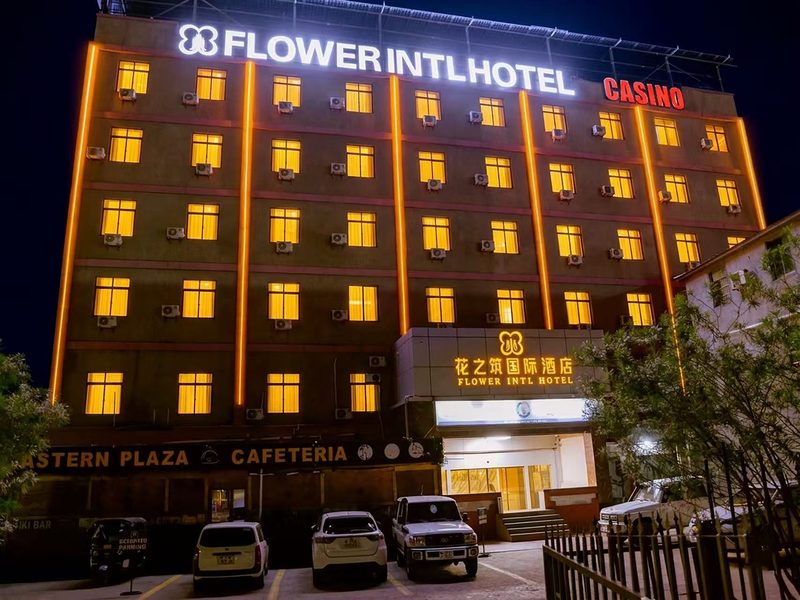
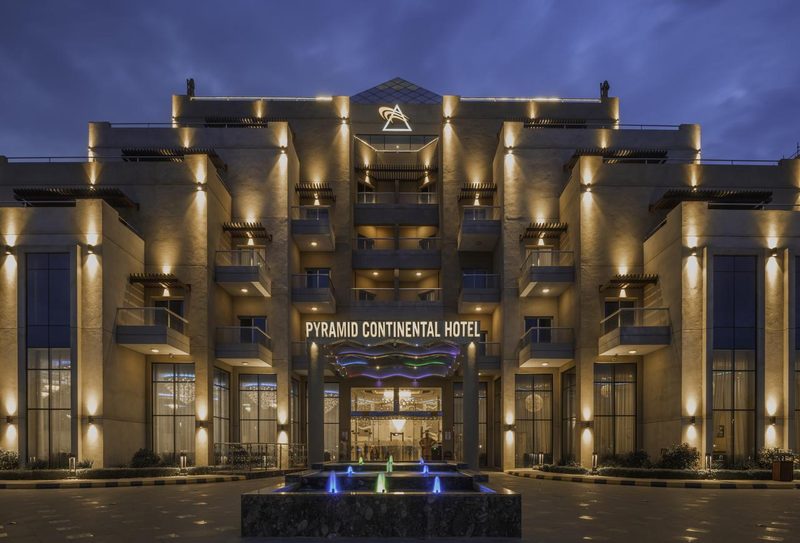
Where to Stay in Juba in February
Hand-picked hotels across price tiers for February travellers.
Packing Checklist
Bookmark this page — your progress is saved between visits
Need the full list with shopping links?
Climate-specific gear, brand recommendations, and what to leave at home.
View Juba Packing List →Essential Tips
Insider knowledge and common pitfalls to avoid
Insider Knowledge
Juba runs on two clocks. The official one, and the one that matters. Meetings, meals, and social gatherings start late by Western standards. Pushing for punctuality will exhaust you faster than the heat. Adapt to the pace. Fighting it wastes energy. The city wakes early to beat the sun, goes quiet through midday, and revives after 4 PM. Structure your days around this rhythm. Struggle against it and you will burn out.
The expat and NGO compound circuit hosts much of Juba's social life. Gaining access usually requires knowing someone inside. Visiting for work? Ask your contacts to bring you to a compound dinner or weekend gathering. You will eat the best food in the city here. Ugandan or Kenyan chefs, hired by organizations, do the cooking. You will also hear the most candid assessments of what is happening in the country. These conversations beat any briefing document.
Change money at established forex bureaus near the main commercial areas. Never on the street. The spread between official and parallel exchange rates in South Sudan can be enormous. Street changers offer better rates. They also carry real risks of counterfeit notes and worse. Ask your accommodation or a trusted local contact where they change money. Carry US dollars in good condition. Newer bills preferred. Worn or marked notes are routinely refused.
February's dry conditions make the road south to Nimule, near the Ugandan border, as passable as it gets all year. The drive is roughly 190 km (118 miles). It takes around four to five hours in good conditions. Nimule National Park cannot compete with East Africa's famous reserves. It still offers hippos, crocodiles, and occasionally white rhinos in a setting that feels remote. Do not attempt this journey without a reliable vehicle. Bring a full fuel supply. Get current security intelligence on the route.
Avoid These Mistakes
The classic mistake? Underestimating the heat. Trying to maintain normal sightseeing through midday. At 37°C (100°F) with direct equatorial sun, heatstroke is a real danger. Spend the hours between 11 AM and 3 PM indoors. Rest. Hydrate. Wait. Locals know this instinctively. Visitors who ignore it end up sick, sunburned, or both within a day or two.
Another error: assuming Juba operates like other East African capitals. Showing up without organizational support, local contacts, or a clear plan. This is not Nairobi. This is not Kampala. Tourism infrastructure is minimal. Public transport is informal and confusing to outsiders. Navigating safely requires local knowledge. Here for work, research, or genuine curiosity? Arrange a trusted local contact or fixer before arrival. This is not a luxury. It is a necessity.
Never photograph people, checkpoints, government buildings, or military personnel without explicit permission. This escalates quickly. It escalates dangerously. South Sudan's security apparatus is sensitive to cameras in ways other destinations are not. Always ask before photographing anyone. Someone in uniform tells you to stop? Comply immediately. Do not argue.
Ready to plan your trip to Juba?
Now that you've got the research covered, here's where to go next.
Explore More Activities in Juba