Things to Do in Juba in October
October weather, activities, events & insider tips
Low Season · Budget Friendly
October Weather in Juba
Long-run averages for October
93°F (34°C)
High Temp
70°F (21°C)
Low Temp
4.5 inches (114 mm)
Rainfall
70%
Humidity
12
Sunny-Day UV
⚠ Malaria risk peaks in October. Five months of accumulated standing water create ideal mosquito breeding conditions. Prophylaxis is not optional. Consult a travel medicine specialist before departure. Begin medication on the recommended schedule. Carry a treated bed net. Do this regardless of what your accommodation provides.
⚠ Unpaved roads across Juba deteriorate fast. Routes outside the city become impassable after heavy rain. Flash flooding in low-lying areas can strand vehicles for hours. Do not attempt road travel outside the city without a high-clearance four-wheel-drive vehicle. You also need a driver who knows current road conditions.
⚠ Afternoon thunderstorms in October arrive fast. They hit hard. Lightning is a genuine hazard in a city with minimal shelter infrastructure outside built-up areas. If you are on the waterfront or in open ground when a storm builds, move to a solid structure immediately. Do not shelter under isolated trees.
Is October Right for You?
Weigh the advantages and considerations before booking
Advantages
- + The landscape around Juba is at its most dramatic in October. The White Nile runs high and fast, its banks swollen with brown water carrying the smell of wet laterite and river grass, and the surrounding savanna has turned an almost impossible green after months of rain. If you came expecting a dusty Sahelian capital, this version of the city will surprise you.
- + Temperatures are meaningfully cooler than the scorching dry months of January through March, when Juba regularly pushes past 37°C (99°F) and the air feels like standing behind a running engine. October's 34°C (93°F) highs still hit hard. The cloud cover and afternoon rains bring the kind of relief that makes evenings along the Nile pleasant. Around 21°C (70°F) with a breeze coming off the water.
- + The international rotation cycle tends to thin out between September and November. Guesthouses and compounds that cater to the NGO and diplomatic community have slightly more availability than during the peak January-to-April deployment increase. You will still pay a premium that feels disconnected from the infrastructure you are getting. At least you are more likely to secure a room without booking months ahead.
- + October sits in the transition window where the rains are easing but the landscape has not yet dried out. This makes it one of the better months for birdwatching along the Nile wetlands south of the city. Migratory species from the north are arriving. The resident populations, African fish eagles, malachite kingfishers, saddle-billed storks, are active and visible in ways the dry season does not offer.
Considerations
- − Many of Juba's roads are unpaved red laterite, and by October they have endured five months of rain. The result is predictable and severe. Routes that look passable at 8 AM become axle-deep mud channels by mid-afternoon. Movement outside the main tarmac arteries requires a high-clearance vehicle with four-wheel drive. Even then, a trip that takes twenty minutes in the dry season can take over an hour. Walking anywhere off the paved roads means red mud that will ruin any shoe that is not a rubber boot.
- − October is peak malaria season in Juba. The standing water from months of rain creates ideal breeding conditions, and the mosquitoes are relentless from dusk onward. The whine starts the moment the light drops. Without proper prophylaxis and a treated bed net, your risk is not theoretical. Medical infrastructure in Juba is limited. The few clinics capable of handling serious cases are stretched thin, and evacuation to Nairobi is the standard protocol for anything beyond basic treatment.
- − Security in Juba requires constant situational awareness. The city is calmer than it was during the worst of the civil conflict. But the situation remains fluid. Curfews can be imposed without warning. Certain neighborhoods are best avoided after dark. October's early sunsets around 6:15 PM compress your daylight window. You should have a local contact, a charged phone with local SIM, and a clear plan for where you are going before you leave your accommodation each day.
Best Activities in October
Top things to do during your visit
White Nile Waterfront Walking at Dawn
The stretch of the Nile through Juba is the city's one excellent landscape feature, and October is when the river earns it. The water runs wide and cafe-au-lait brown, carrying the accumulated runoff of the Sudd wetlands to the north, and the banks are thick with papyrus and water hyacinth that smell green and vegetal in the early morning humidity. Walk the waterfront between the Juba Bridge and the old customs area before 7 AM, when the air is still cool enough to breathe comfortably and the fishermen are pulling in their nets. Tilapia and Nile perch, silver-scaled and flopping in the flat-bottomed boats. The light at that hour turns the river surface copper and bronze. By 9 AM the heat will push you indoors. That first two hours along the water is the single best experience Juba offers. It costs nothing but an early alarm.
Booking Tip: No booking needed. This is a self-guided walk. Stick to the established waterfront paths, go with a local contact if possible, and be back at your accommodation before the heat peaks. Bring water and a hat. For guided river experiences, check the booking section below for any current Juba-area options.
Konyo Konyo Market Cultural Immersion
Konyo Konyo is the beating commercial heart of Juba, and October transforms it. The rain keeps the dust down but turns the unpaved lanes into a slick red-mud obstacle course between stalls selling everything from secondhand clothing bales to fresh cassava and dried okra. The smell is layered: charcoal smoke from the tea sellers, the sharp tang of fresh ginger piled on plastic sheets, dried fish with their salty mineral funk, and the sweetness of ripe mangoes that vendors slice with machetes into dripping orange wedges. The sound is Juba Arabic shouted across rows of merchandise, South Sudanese pop music crackling from phone speakers, and the clatter of sewing machines in the tailoring section where fabrics in equatorial prints get turned into custom outfits in under an hour. Go in the morning before the afternoon rains turn the walkways treacherous. Bring nothing you are not prepared to get muddy. This is not a curated market experience. It is a working commercial district for a city of over half a million people, and it moves at that pace.
Booking Tip: Go with someone who speaks Juba Arabic. The market is not dangerous during daylight hours. But navigation is confusing and a local companion transforms the experience from overwhelming to illuminating. Leave valuables at your accommodation and carry only the cash you intend to spend. See the booking section below for any cultural tour options that include market visits.
Nile Wetland Birdwatching South of Juba
The wetlands south of Juba toward the Ugandan border rank among East Africa's most overlooked birding territories. October brings the peak season. Palearctic migrants arrive then. Warblers, wagtails, raptors that bred in Europe and Central Asia over the summer join residents here. African fish eagles patrol overhead, their yelping calls carrying across the water. Goliath herons stand chest-deep in shallows, looking prehistoric. Saddle-billed storks display red-and-black beaks visible from 200 metres (656 feet). The morning chorus begins before 5:30 AM. It is cacophonous. Weaver birds chatter in papyrus. Kingfishers hit water with audible splashes. Ground hornbills boom across wet grassland. Humidity at 70% fogs binocular lenses constantly. Bring a lens cloth. Wipe every few minutes.
Booking Tip: You need a vehicle. The driver must know accessible wet-season routes. Many tracks south of Juba become impassable in October. Arrange transport through your accommodation or a local contact with birding experience. Start before dawn. Plan your return by midday. Heat suppresses bird activity then. Check the booking section below for guided nature experiences in the Juba area.
South Sudanese and East African Food Circuit
Juba's food reflects the White Nile and the displacement and return of communities across the region. October delivers peak wet-season ingredients. The staple is kisra. This thin, sour, fermented sorghum flatbread tastes like injera crossed with a crêpe. It tears cleanly. Stews accompany it. Mulah akhdar offers dark green okra and meat smelling of coriander seed and dried chilli. Aseeda provides dense millet porridge. Locals eat it with hands, pinching pieces into groundnut sauce. Ethiopian and Eritrean restaurants cluster in several neighborhoods. They serve injera platters with berbere-spiced lentils and slow-cooked lamb that falls apart. The meal is communal. You eat from a shared platter. This forces you to slow down and talk. Fish matters most in October. Fresh Nile perch and tilapia come grilled whole over charcoal until skin blisters and crisps. The river produces well now. Charcoal-grilled fish drifts through evening air along the waterfront. It is the most appetizing scent this city produces.
Booking Tip: No formal food tours operate in Juba. Eat where locals eat. Follow smoke and crowds at lunchtime. Bring hand sanitizer. Stick to freshly cooked food served hot. Avoid raw salads and unpeeled fruit from street vendors. Drink only bottled or treated water. Check the booking section below for cultural experiences that include food components.
Dr. John Garang Memorial and Independence Heritage Walk
The Dr. John Garang de Mabior Mausoleum anchors South Sudan's most sacred civic space. This monument honors the independence leader who died in a helicopter crash in 2005, weeks after the peace agreement he spent decades fighting for. White marble dominates the structure. It rises against Juba's low-rise skyline like something transplanted from elsewhere. The contrast is deliberate. It represents aspiration in a capital still built largely from corrugated iron and concrete block. The surrounding grounds offer one of Juba's few maintained green spaces. October grass grows thick and wet from rains. Combine this with a walk through older Juba town. Visit the commercial district near the river. See the government quarter. Understand how a city barely existing as an administrative center before 2005 has improvised itself into a national capital for barely two decades. Architecture tells this story honestly. UN compounds hide behind razor wire. The South Sudanese flag appears painted on walls everywhere. Construction cranes stand motionless for years beside half-finished buildings.
Booking Tip: No ticket required for memorial grounds. Photography rules change without notice. Ask before shooting. Combine the memorial visit with a morning walk through central Juba. Temperatures remain manageable then. Check the booking section below for guided historical or cultural tours currently available.
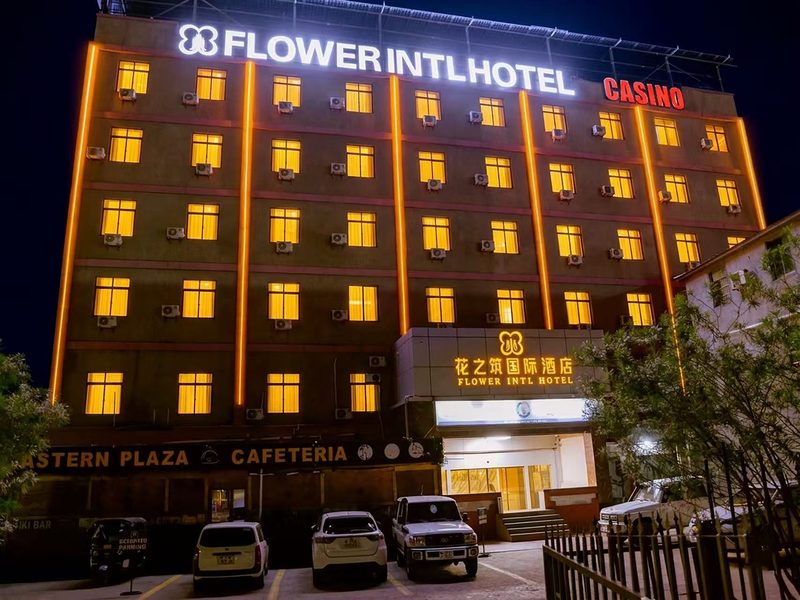
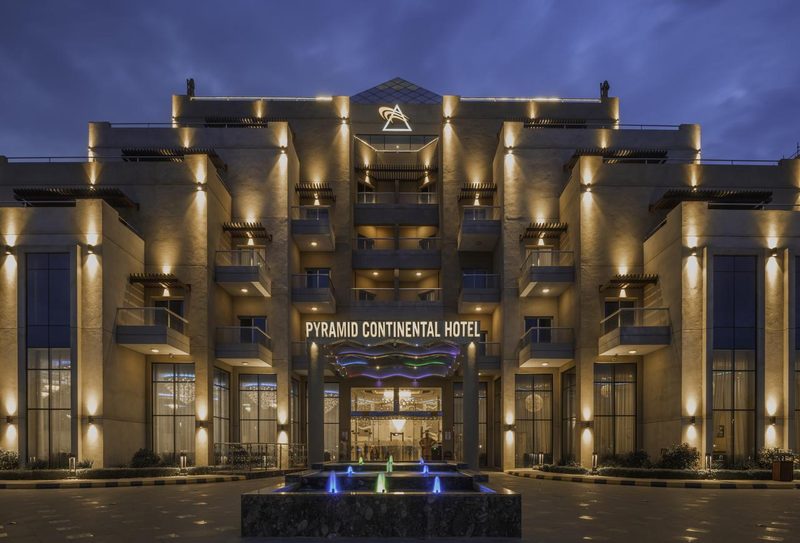
Where to Stay in Juba in October
Hand-picked hotels across price tiers for October travellers.
Packing Checklist
Bookmark this page — your progress is saved between visits
Need the full list with shopping links?
Climate-specific gear, brand recommendations, and what to leave at home.
View Juba Packing List →Essential Tips
Insider knowledge and common pitfalls to avoid
Insider Knowledge
Fuel supply in Juba is erratic. October road conditions slow resupply from Uganda and Kenya. If hiring a vehicle, confirm the driver has a full tank before departure. Carry extra fuel outside the city. Running dry on a flooded road 15 km (9.3 miles) from the nearest station is avoidable. Plan for it.
Juba Arabic runs this city. Not English. Not formal Arabic. Not any single South Sudanese language. Learn a few phrases: keif halak (how are you), shukran (thanks), kam (how much). It transforms interactions. The international community lives in an English bubble locals tolerate but dislike. Step outside it. People notice. They respond warmly.
The hours between 5 PM and 7 PM are Juba's social heartbeat. Heat breaks. Rain passes. Families gather along the Nile waterfront. Tea stalls light charcoal. The city shifts from survival to something like ease. This is when honest conversations happen. This is when Juba reveals itself. Do not retreat to your compound at sunset. Stay out.
Negotiate vehicle hire rates before arrival, not after. Juba transport costs inflate because internationals pay whatever is asked. Show up without a pre-arranged rate and you pay top dollar. Your accommodation or organizational contact knows current reasonable rates. They can connect you with reliable drivers. That relationship matters more than the vehicle.
Avoid These Mistakes
Do not assume Juba operates like Nairobi or Kampala. It does not. Those cities have tourist infrastructure, emergency services, and understood safe zones. Juba lacks these at scale. The city is calmer than its worst years. But calm is relative. Situations shift fast. Register with your embassy. Keep a local fixer's contact. Have an evacuation plan that does not need passable roads. In October, roads often fail.
Skip the beach holiday wardrobe. October Juba is hot and wet, not resort weather. You need coverage for sun, mosquitoes, and local context. Shorts and tank tops attract unwanted attention and expose skin to disease-carrying insects. Long, loose, breathable layers are mandatory. They are the right response to actual conditions.
Never drink tap water. Never eat raw produce washed locally. The heat and humidity create desperate thirst. Resist it. Juba's water treatment is unreliable. Bottled water only. Check the seal. Apply the same rule to ice. Stomach illness here is not minor inconvenience. With limited medical facilities, it becomes a serious logistical crisis.
Ready to plan your trip to Juba?
Now that you've got the research covered, here's where to go next.
Explore More Activities in Juba