Things to Do in Juba in August
August weather, activities, events & insider tips
Low Season · Budget Friendly
August Weather in Juba
Long-run averages for August
88°F (31°C)
High Temp
69°F (21°C)
Low Temp
5.0 inches (127 mm)
Rainfall
82%
Humidity
12
Sunny-Day UV
⚠ Malaria risk peaks sharply during August's rains. Standing water from daily downpours creates breeding habitat across the city, and Anopheles mosquitoes are most active at dusk and dawn. Begin prophylaxis before arrival. Sleep under a treated net. Use DEET-based repellent consistently.
⚠ Flash flooding affects low-lying areas of Juba after heavy afternoon storms. Roads near the Nile and in poorly drained neighbourhoods can flood within minutes, turning streets into knee-deep channels of fast-moving muddy water. Avoid low ground during and immediately after heavy rain.
⚠ Road conditions outside the main paved routes deteriorate significantly. Laterite roads become impassable red mud, and even the better roads develop deep potholes concealed by standing water. Do not travel secondary roads without a 4x4 and a driver familiar with current conditions.
Is August Right for You?
Weigh the advantages and considerations before booking
Advantages
- + The landscape around Juba turns lush in August. The red laterite earth that defines the dry months disappears under thick green scrub, and the White Nile runs high and muscular, the colour of milky tea, carrying the smell of wet clay and river grass. If you came expecting bare savanna, August rewrites the picture entirely.
- + Temperatures hit their lowest of the year, hovering around 31°C (88°F) instead of the punishing 37°C (99°F) that February delivers. Mornings tend to be mild, sometimes dipping to 21°C (69°F) with a breeze off the river that makes walking the waterfront near Juba Bridge almost comfortable.
- + August sits outside any tourist pattern Juba has ever had, which means the handful of guesthouses and the aid-worker restaurants along Ministries Road are less booked than in the NGO rotation months. You are likely one of the only leisure travelers in the city, and that opens doors. Locals notice, and conversations happen that simply would not in a more visited place.
- + The rainy season brings seasonal foods to Konyo Konyo Market that vanish by November: fresh okra piled in wet green heaps, white sorghum still in the husk, river fish pulled from the swollen Nile that morning and grilled over charcoal at the market edge. August is when Juba eats best.
Considerations
- − Humidity at 82% is relentless. The air in Juba during August sits on your skin like a damp cloth. You step outside at seven in the morning already perspiring, and by midday your shirt sticks to your back in a way that no amount of cotton or linen entirely solves. Air conditioning is unreliable outside the better guesthouses, and power cuts make it worse.
- − Roads deteriorate badly once the rains settle in. The unpaved streets that branch off the main Juba-Nimule highway turn to slick red mud after a downpour, and even the tarmacked routes develop potholes that fill with opaque water. Travel outside the city centre requires a proper 4x4 and a driver who knows which stretches flood. This is not a month for casual self-navigation.
- − Security remains a real concern. While Juba itself has been calmer since the 2018 peace agreement, the situation can shift with little warning, and certain neighbourhoods and outlying areas carry higher risk after dark. You need current, ground-level advice before arriving, and you need to check it again once you land. This is not a destination where outdated research is merely inconvenient. It can be dangerous.
Best Activities in August
Top things to do during your visit
White Nile Waterfront Walks and River Excursions
August puts the White Nile at its most impressive near Juba. The river runs wide and fast, muddy brown from upstream rains, carrying floating islands of water hyacinth that drift past the old bridge. Early mornings along the riverbank, before the humidity peaks, bring a breeze that smells of wet vegetation and charcoal smoke from the fishing camps downstream. You will see fishermen pulling tilapia and Nile perch from wooden boats, herons standing motionless in the shallows, and occasionally a monitor lizard sunning on the bank. The light at 6:30 AM turns the river surface copper. Afternoon storms tend to roll in fast, so plan river time before noon. Local boat operators run short trips on the Nile, and August's high water makes for a smoother ride than the rocky, exposed-bank crossings of January or February.
Booking Tip: Arrange river trips through your guesthouse or a locally recommended operator at least two to three days ahead. Insist on life jackets. Not all boats carry them. Morning departures before 9 AM avoid both the worst heat and the afternoon storm window. See current guided options in the booking section below.
Konyo Konyo Market Cultural Immersion
Konyo Konyo is Juba's central market and its loudest, most chaotic, most alive place. In August, the covered stalls stay crowded even when rain hammers the corrugated roofing. The sound is deafening, a metallic roar that forces everyone to shout over it, and then suddenly stops, and the market exhales. The spice section hits you first: dried chilli, coriander seed, ground turmeric in open sacks that stain your fingers yellow if you touch them. The produce area in rainy season overflows with fresh greens, stacked cassava, and seasonal mangoes so ripe the sweetness hangs in the air. At the grilled-fish stalls along the market's eastern edge, whole tilapia blacken over charcoal, basted with groundnut oil, and the smoke drifts across the textile section where traders sell East African wax-print fabric in bolts. Go in the morning when the selection peaks and the temperature is still manageable.
Booking Tip: No booking needed. Konyo Konyo operates daily, busiest from around 7 AM to 1 PM. Go with someone who knows the layout, whether a local contact or a guesthouse-arranged guide, on your first visit. Keep valuables out of sight and carry small denominations of South Sudanese pounds. For broader Juba cultural tours that include the market, check current options in the booking section below.
Jebel Kujur Hill Hikes
Jebel Kujur rises about 15 km (9.3 miles) south of Juba's centre, a rocky granite hill sacred to the Bari people that offers the best panoramic view of the city and the Nile valley. In August, the surrounding bush is green and thick, and the climb, maybe 45 minutes to the top on a decent trail, is cooler than any other month, though the humidity will still have you soaked through by the halfway point. The rock underfoot gets slippery after rain, so timing matters: go on a morning that follows a dry night, ideally before 8 AM when the cloud cover keeps direct sun off the exposed upper sections. From the summit, Juba spreads out below in a patchwork of tin roofs, red earth roads, and the dark green ribbon of the Nile curving north. The breeze at the top, after the still heat of the climb, is the most refreshing thing you will feel in Juba all week.
Booking Tip: Arrange transport and a local guide through your accommodation. Jebel Kujur is not well signposted, and the access roads can be muddy in August. Allow half a day including travel. Wear proper closed-toe shoes with grip. Carry at least two litres of water per person. Bring a light rain layer. Check current guided excursion options in the booking section below.
South Sudanese Food Experiences
Juba's food in August rewards the curious. The dish to seek is kisra, a thin, slightly sour fermented sorghum flatbread that locals tear into pieces and use to scoop up bamia, an okra stew slow-cooked with dried fish, tomatoes, and enough groundnut paste to make it rich and earthy. The fermentation gives kisra a tang that catches you on the first bite, something between sourdough and injera but thinner, almost translucent. August brings fresh river fish to the city's roadside grills, along the waterfront near Juba Bridge, where the smell of charcoal and roasting Nile perch carries across the road in the evening. Ful medames, slow-stewed fava beans mashed with sesame oil, cumin, and raw onion, is the breakfast staple, served in small metal bowls at neighbourhood stalls that open before dawn. The coffee, strong and spiced in the Ethiopian style with cardamom, is brewed in small clay pots called jabanas and served in cups barely bigger than a shot glass.
Booking Tip: No formal food tours operate in Juba as of mid-2027. Ask your guesthouse staff or local contacts where they eat. This is a city where the best meals happen at unmarked stalls and roadside spots that locals simply know. Evening is prime time for grilled fish along the waterfront. For broader Juba experiences that may include food, see current options in the booking section below.
Bari Cultural Heritage Visits
The Bari people are indigenous to the Juba area, and August, when agricultural work intensifies with the rains, is a time when Bari community life is most visible in the villages that ring the city's outskirts. Traditional homesteads, clusters of round tukuls with thatched roofs and mud walls smoothed by hand, sit among sorghum fields now standing chest-high and green. The sound of pounding grain, a deep, rhythmic thud from wooden mortars, carries in the still morning air. Community elders in some villages outside Juba welcome visitors who come with a proper introduction, usually arranged through local cultural contacts or church networks. The conversation, often in a mix of Bari and Juba Arabic, tends to happen under a large mango or neem tree while someone prepares merissa, a thick, cloudy sorghum beer that tastes mildly sour and yeasty and is shared from a single gourd. This is not a curated tourist experience. It is actual hospitality, and it requires patience, respect, and a willingness to sit and listen.
Booking Tip: This cannot be booked through a standard platform. Ask locally through church communities, established NGO contacts, or long-term residents who have relationships with Bari communities outside Juba. Never arrive unannounced. Bring a small, respectful gift. Sugar, tea, or cooking oil are customary. Allow a full morning or afternoon. For organized Juba cultural experiences, check the booking section below.
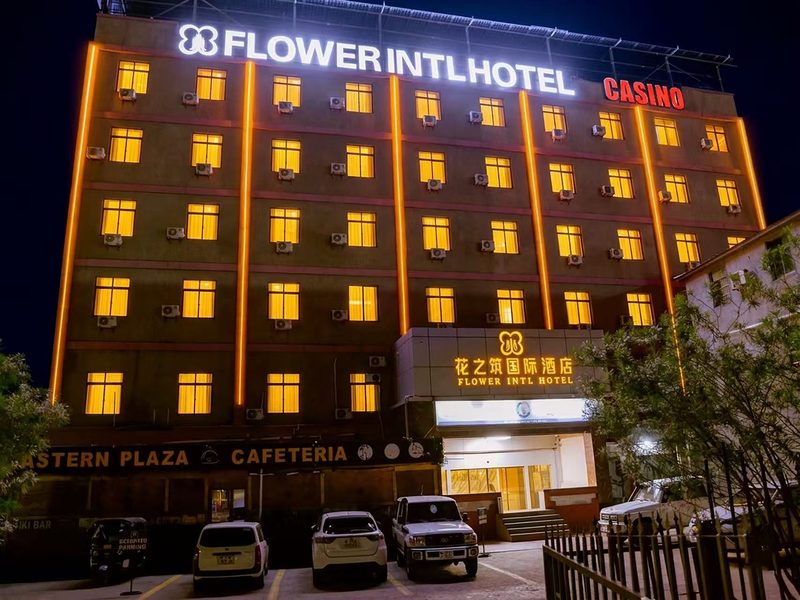
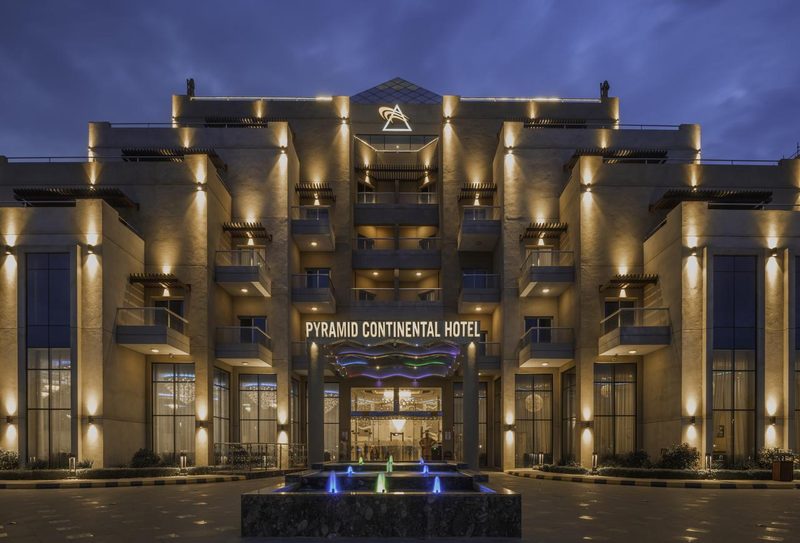
Where to Stay in Juba in August
Hand-picked hotels across price tiers for August travellers.
Packing Checklist
Bookmark this page — your progress is saved between visits
Need the full list with shopping links?
Climate-specific gear, brand recommendations, and what to leave at home.
View Juba Packing List →Essential Tips
Insider knowledge and common pitfalls to avoid
Insider Knowledge
Juba runs on two currencies in practice: the South Sudanese pound and the US dollar. Dollars are preferred for larger transactions and at better-equipped establishments. But you will need pounds for markets, street food, and local transport. The exchange rate fluctuates significantly. Check it the day you arrive, and change money in small amounts. ATMs exist but are unreliable, so arrive with sufficient cash.
The best time to do anything outdoors in August is between 6 AM and 10 AM. By mid-morning the humidity becomes oppressive, and afternoon storms typically build between 2 PM and 5 PM. Locals structure their day around this rhythm. The city feels emptiest between 1 PM and 4 PM. It comes back to life after the evening rain clears and the temperature drops a few degrees.
Juba Arabic, not formal Arabic or English, is the real lingua franca of daily life. Learning even a handful of phrases changes interactions immediately. Try 'salaam' for hello, 'shukran' for thank you, 'bi kam da' for how much is this. Most people in the service sector speak some English. But switching to Juba Arabic at a market stall or roadside grill signals respect. It usually gets you better prices and warmer conversation.
The security landscape in Juba requires active, current intelligence, not a guidebook paragraph written months ago. Before traveling, register with your embassy, confirm the current situation with reliable on-the-ground contacts, and have a clear plan for movement within the city. Avoid travel after dark outside well-known areas. This is not alarmism. It is standard practice for every experienced traveler and aid worker in the city.
Avoid These Mistakes
Underestimating the road conditions. Travelers who plan to visit areas outside Juba's centre in August without a 4x4 and experienced driver end up stranded in mud or unable to cross flooded stretches. The Juba-Nimule highway stays passable. But secondary roads can become impassable for hours after heavy rain. Build flexibility into every plan.
Skipping malaria prophylaxis or treating it casually. August is peak mosquito season in Juba, and the risk is high. Every long-term resident takes precautions: nets, repellent, prophylactic medication. The nearest reliable hospital with ICU capacity may require evacuation by air. Prevention is not optional.
Assuming Juba operates on a predictable schedule. Flights get cancelled or delayed, restaurants close without notice, the power goes out mid-meal, a road you drove yesterday is flooded today. The travelers who struggle most in Juba are those who arrive with a rigid itinerary. Build in buffer days. Carry backup plans for every activity. Accept that some things simply will not happen as planned.
Ready to plan your trip to Juba?
Now that you've got the research covered, here's where to go next.
Explore More Activities in Juba