Things to Do in Juba in March
March weather, activities, events & insider tips
Low Season · Budget Friendly
March Weather in Juba
Long-run averages for March
99°F (37°C)
High Temp
74°F (23°C)
Low Temp
1.4 inches (36 mm)
Rainfall
38%
Humidity
13
Sunny-Day UV
⚠ Extreme heat at 37°C (99°F) with intense UV exposure creates genuine risk of heat exhaustion and sunburn for unacclimatized travelers. Limit outdoor exposure between 10 AM and 4 PM. Hydrate aggressively with electrolytes. Watch for warning signs. Dizziness, nausea, or confusion mean stop immediately and seek shade and fluids.
⚠ Late March marks the very beginning of the wet season transition, and isolated thunderstorms can develop rapidly in the afternoon with little warning. These early-season storms are typically brief but can be intense, with lightning and sudden downpours that turn unpaved roads to mud within minutes. Carry a light rain shell. Check the sky often.
⚠ Dry-season dust levels peak in March, reducing air quality along unpaved roads and in market areas. Travelers with respiratory conditions should carry appropriate medication and consider a dust mask or scarf for vehicle travel on unpaved routes. The dust is relentless. Protect your lungs.
⚠ Malaria is present year-round in Juba and mosquito activity increases as the first rains arrive in late March. Prophylaxis is essential, not optional, and should be started before arrival per your travel medicine provider's schedule. Use DEET-based repellent. Sleep under a treated net. Do this regardless of whether your accommodation has screens. The mosquitoes do not care.
Is March Right for You?
Weigh the advantages and considerations before booking
Advantages
- + March marks the final weeks of Juba's dry season. Roads remain passable before the May mud arrives. The White Nile runs low, exposing sandy banks along the eastern shore where locals gather once afternoon heat breaks. Need to cross the city or head south toward Nimule? This is your last reliable window.
- + Humidity at 38% is as good as Juba gets. June pushes past 60%. March air is dry and hot, not wet and hot. That distinction matters. Sweat evaporates. Evenings drop to 23°C (74°F). By local standards, that is pleasant. Sit outside past sunset with a cold Stoney Tangawizi ginger beer. You earned it.
- + Peak NGO rotation hits in January and September. March avoids that flood. Securing a decent guesthouse or serviced compound gets easier. You still compete with business travelers and aid workers. The pressure eases. You might score a room without booking two months ahead.
- + The Nile in March runs low and clear. July brings silty brown torrents. Boat crossings to the west bank stay calmer. Fishermen work the shallows near Juba Bridge at dawn. Early morning light hits the water before haze and dust build. This is Juba's closest approach to postcard-worthy.
Considerations
- − The heat is brutal. Average highs hit 37°C (99°F). March ranks among Juba's hottest months. Shade infrastructure barely exists. No tree-lined boulevards. No covered walkways. Between 11 AM and 3 PM, walking outside without vehicle transport punishes the body. Power outages kill air conditioning without warning. Plan your day around the heat. Or it will plan your day for you.
- − Tourism infrastructure here is thin. No hop-on buses. No marked heritage trails. No visitor centers with maps and English-speaking staff. Navigation depends on local knowledge, hired drivers, landmarks. Forget street addresses. Expecting conventional travel? Juba will frustrate you fast. March heat shrinks your window for improvisation.
- − Security demands advance planning, local contacts, constant awareness. Travel outside Juba city needs careful coordination. Some areas stay inadvisable without organizational support. This is not a wander-and-figure-it-out destination.
Best Activities in March
Top things to do during your visit
Early Morning White Nile Riverbank Walks
Between 6 AM and 8 AM, the eastern bank south of Juba Bridge wakes up. Later heat makes this impossible. Fishermen haul tilapia from wooden boats. Women wash clothes at the water's edge. The air carries river damp before dust and diesel take over. March's low water exposes wide sandy stretches. Walk close to the current. Watch cattle led down to drink. The light is flat gold. The river runs green-brown and slow. Birdsong mixes with boat hulls thumping the bank. By 9 AM, get indoors. March makes this morning-only. No exceptions.
Booking Tip: No formal booking required. Arrange a knowledgeable local guide or driver the evening before. Skip solo walks. Skip after-dark walks. A good guide knows accessible stretches and no-go zones. See current guided options in the booking section below.
Konyo Konyo Market Exploration
Konyo Konyo sprawls loud and overwhelming. Stalls sell secondhand clothing from East African bales, fresh mangoes, dried fish, sorghum flour. March dust hangs between stalls. It mixes with raw onions, ground peanuts, dried okra. Noise layers constantly. Haggling in Juba Arabic, Bari, a dozen languages. Metal cookware clatters. Phone-repair speakers blast South Sudanese pop. March heat drives peak hours to early morning and late afternoon. Arrive before 9 AM. Vendors still set up. Temperatures stay survivable. The place feels rough, crowded, unpolished, and completely real.
Booking Tip: Bring a local contact who knows the layout. Konyo Konyo is not dangerous. It is dense and disorienting. Someone who navigates the warren and communicates with vendors transforms overwhelming blur into actual experience. Keep valuables minimal. Keep them secured.
Jebel Kujur Hill Hike
This rocky hill rises roughly 100 m (328 ft) above flat terrain southeast of central Juba. It offers the only elevated city view and Nile plain panorama. March landscape shows parched brown and gold. Dry grasses crackle underfoot. From the top, the Nile curves through Juba like a green-brown ribbon across ochre ground. The hike is short but steep. Loose rock. No marked trail. Start at first light. No later than 6:30 AM. By 8 AM, exposed rock radiates heat back at you. The climb turns dangerous without shade or shelter. Carry at least 2 liters (half a gallon) water per person. The summit view, city spread below, Nile disappearing south toward Uganda, justifies the early alarm.
Booking Tip: Arrange transport and a local guide through your accommodation or an established local operator. The approach to Jebel Kujur passes through residential areas and you will want someone who knows the access points and current conditions. This is not a solo activity. Check current guided hiking options in the booking section below.
Nile Sunset Boat Crossings
The motorized wooden boats that ferry passengers across the White Nile between Juba's east and west banks are working transport, not tourist excursions, and that is exactly why they are worth experiencing. In March, the low river means the crossing is calm, and the late afternoon light, from about 5:30 PM onward, turns the water surface into hammered copper. The boats sit low. The engine noise is a steady diesel chug. You are shoulder to shoulder with commuters heading home, market traders with bundles, and sometimes a goat or two. The air on the water is noticeably cooler than on land, and after a day of 37°C (99°F) heat, that breeze across the Nile feels like a physical reward. The west bank at dusk has a quieter pace, with cooking fires starting up and the smell of charcoal and stewing beans drifting from compounds near the landing point.
Booking Tip: These are public crossings, not bookable tours. Your guide or driver can take you to the main crossing point near Juba Bridge. Go in the late afternoon when temperatures drop and the light is best. Keep belongings secure and minimal. For more structured river experiences, check the booking section below for any available Nile-based tours.
South Sudanese Food Tasting with Local Guides
Juba's food is built on sorghum, okra, groundnuts, and Nile fish, and the best of it comes from open-air kitchens and compound cookhouses rather than anything with a printed menu. March's dry heat is the better season for eating outdoors, since wet-season rains turn many of these informal dining spots into mud patches. The staple is kisra, a thin fermented sorghum flatbread with a slightly sour tang, served with mulah, a slow-cooked stew that might be groundnut-based with a thick, nutty richness, or built around dried fish with a sharp, smoky depth that lingers. Ful medames, stewed fava beans mashed with oil and onion, shows up at breakfast with a warmth that sits well in the early morning before the heat arrives. The flavors are earthy, direct, and unfussy. A local guide who knows which spots are cooking fresh that day is essential because there are no review apps or reliable listings to fall back on.
Booking Tip: Food experiences in Juba are best arranged through local contacts, cultural organizations, or community-based tourism initiatives rather than international booking platforms. Ask your accommodation or a local NGO contact for recommendations on guided food experiences. See the booking section below for any available options.
Where to Stay in Juba in March
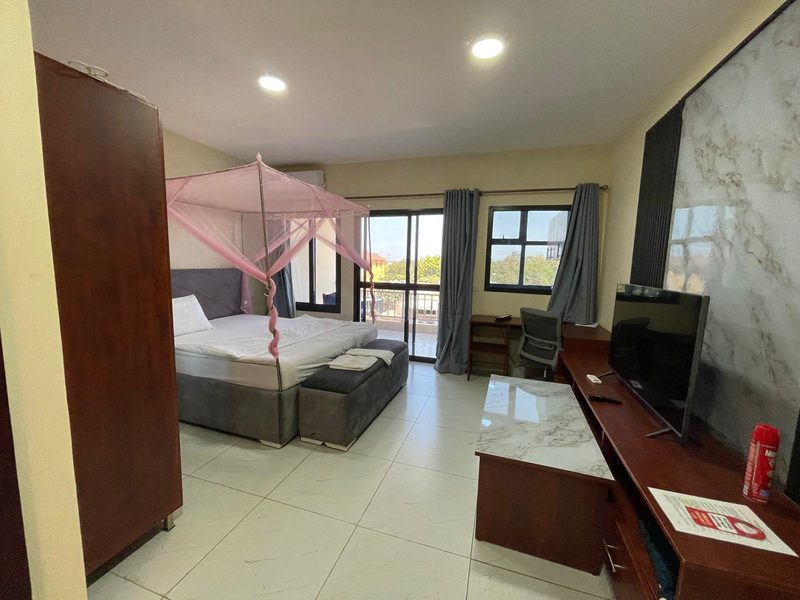
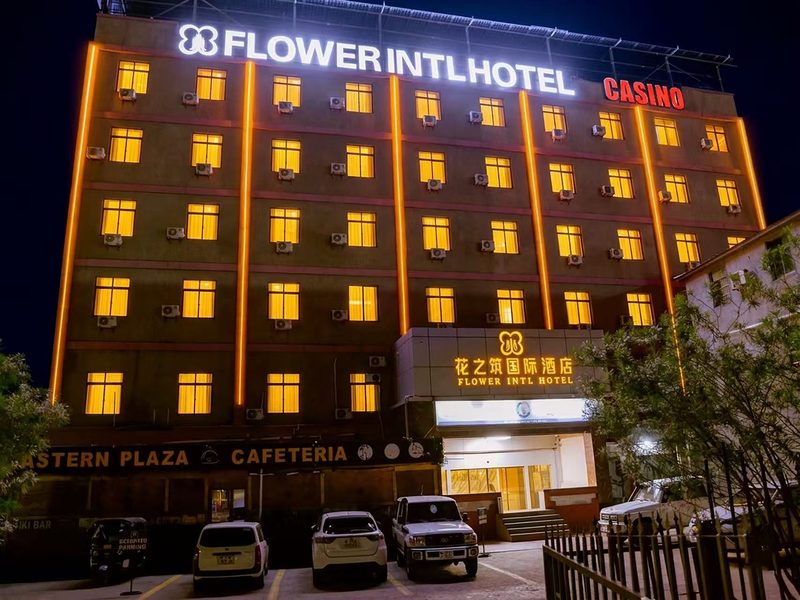
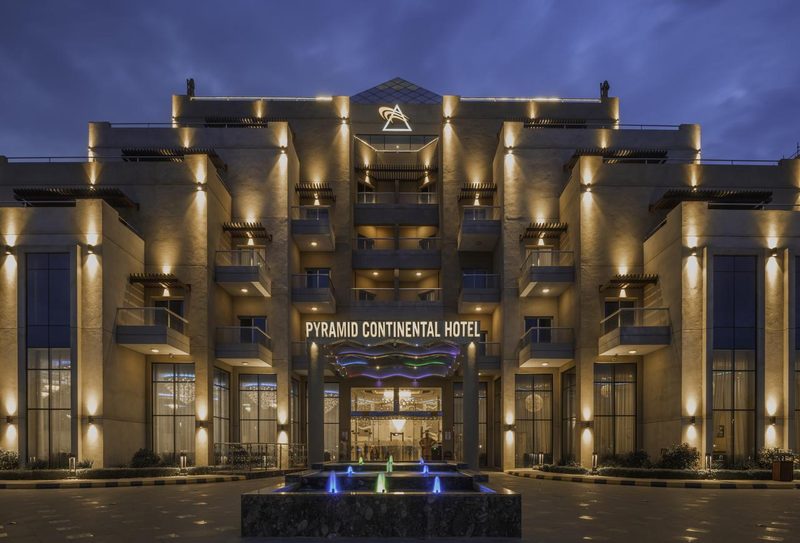
Hand-picked hotels across price tiers for March travellers.
Public Holidays in March
Dates that affect opening hours, transport and crowds
Good Friday
Observed nationwide as a public holiday.
Holy Saturday
Observed nationwide as a public holiday.
Easter Sunday
Observed nationwide as a public holiday.
Easter Monday
Observed nationwide as a public holiday.
Packing Checklist
Bookmark this page — your progress is saved between visits
Need the full list with shopping links?
Climate-specific gear, brand recommendations, and what to leave at home.
View Juba Packing List →Essential Tips
Insider knowledge and common pitfalls to avoid
Insider Knowledge
The hours between 5:30 PM and 7 PM are when Juba becomes livable in March. Locals call this the breathing window, when the heat drops enough to sit outside, and the city shifts from survival mode to social mode. Compound gates open. Plastic chairs appear on packed-earth yards. Tea is brewed strong and sweet, and conversations happen that the daytime heat made impossible. If you want to understand how people live in Juba, this is the window to be present for it, not the punishing midday hours.
Juba Arabic, not Modern Standard Arabic or English, is the lingua franca of the market and the street. Learn a few phrases. Keef halak for how are you. Shukran for thank you. Bi kam da for how much is this. The shift happens immediately. People stop seeing you as a distant foreigner. They see someone trying. Most Juba residents also speak one or more indigenous languages. Bari is the most common in the city proper.
Do not photograph military installations, government buildings, checkpoints, or uniformed personnel under any circumstances. This is not a suggestion. Cameras pointed at the wrong subject can escalate a situation from routine to serious in seconds. Ask your guide first. When in doubt, wait. The same caution applies at the Juba Bridge, which has a military presence.
The best Nile tilapia in the city comes from the informal fish-frying operations along the riverbank in the late afternoon, where the day's catch goes straight from boat to charcoal grill. The fish is split open, rubbed with salt and sometimes ground chili, and grilled whole until the skin crackles and the flesh is white and flaking. March's low river levels tend to concentrate the fish, and local fishermen say the catch is often better in the late dry season than during the rains when the fish scatter. Follow your nose. The charcoal smoke carries across the bank. You will smell these spots before you see them.
Avoid These Mistakes
Underestimating the heat and scheduling outdoor activities during midday. At 37°C (99°F), the window for comfortable movement outdoors in March is roughly 6 AM to 9 AM and again after 5 PM. Travelers who try to push through the middle of the day on foot end up heat-exhausted, dehydrated, and unable to do anything for the rest of the trip. Plan the aggressive stuff for dawn. Skip midday entirely.
Arriving without established local contacts or a security plan. Juba is not a city where you land, hail a taxi, and start exploring. Accommodation, transport, a reliable local guide, and a basic understanding of which areas are accessible should all be arranged before departure. Do the work early. The travelers who have productive, safe experiences in Juba are the ones who did their coordination work weeks in advance, usually through an NGO contact, a business connection, or a reputable local operator.
Assuming that international credit cards, mobile payment apps, or ATMs will work reliably. Cash, specifically US dollars in clean, post-2006 bills with no tears or marks, is the functional currency for most transactions a visitor will encounter. South Sudanese pounds are used in markets but the exchange rate fluctuates, and ATM availability is inconsistent at best. Bring enough US cash for your entire stay. Split it up. Keep it secured in multiple locations.
Ready to plan your trip to Juba?
Now that you've got the research covered, here's where to go next.
Explore More Activities in Juba