Things to Do in Juba in November
November weather, activities, events & insider tips
Low Season · Budget Friendly
November Weather in Juba
Long-run averages for November
94°F (34°C)
High Temp
69°F (20°C)
Low Temp
1.7 inches (43 mm)
Rainfall
55%
Humidity
11
Sunny-Day UV
⚠ Malaria risk stays elevated through November. Residual standing water from the wet season persists. Take prophylaxis as prescribed. Use repellent and bed nets without exception.
⚠ Early November can still bring heavy afternoon downpours. These flood unpaved roads within minutes. Low-lying areas become temporarily impassable. Laterite roads turn into slick, vehicle-trapping mud.
⚠ Heat stress is a genuine concern by midday. Temperatures approach 34°C (94°F). Dehydration sets in faster than most visitors expect. Shade is scarce outside compound walls.
Is November Right for You?
Weigh the advantages and considerations before booking
Advantages
- + November marks the real shift from wet to dry season in Juba. You feel it immediately. Humidity drops from the suffocating 82% of August down to a manageable 55%. The rains that turned unpaved roads into red-mud canals through July and August have largely stopped. The landscape is at its greenest and most photogenic. The White Nile runs high and wide. Morning air carries a clarity that the heavy wet months never allow.
- + This is likely the quietest month for inbound travelers outside of the December holiday lull. The NGO rotation cycle means fewer competing bookings at the limited accommodation in Juba. You stand a better chance of securing reliable transport and a competent local guide without booking months ahead. The reduced pressure on the city's thin hospitality infrastructure means better service. Hosts pay more attention. Worth the timing.
- + The tail of the rains means birdlife along the Nile corridor is still concentrated and active. Juba sits on one of the great avian flyways of East Africa. November brings migratory species from the north overlapping with resident populations. The papyrus swamps and riverbanks within 10 km (6.2 miles) of the city center hold species you would need to travel deep into Uganda or the DRC to find at other times of year.
- + Cooler mornings around 20°C (69°F) make early outdoor movement pleasant. This window shrinks to nearly nothing by January and February when the dry-season heat builds past 37°C (99°F). The two or three hours after dawn are Juba at its most livable. November gives you enough of them to accomplish something before the midday hammer comes down. Pack accordingly.
Considerations
- − Juba remains one of the most challenging cities in East Africa for independent travelers. Infrastructure is limited. Power outages are routine. The sound of generators is the actual background hum of the city. Roads outside the main arteries are unpaved and, in early November, still muddy from the departing rains. You are not visiting a place that has been built for tourism. Managing expectations is the single most important thing you can pack.
- − Security concerns are real and should not be minimized. While Juba itself has been calmer in recent years than during the 2013 and 2016 crises, the situation remains fluid. Movement after dark is inadvisable. Travel outside the city requires careful planning and local guidance. You should register with your embassy before arrival. Most Western governments maintain travel advisories for South Sudan. Travel insurance coverage is limited or excluded entirely for this destination.
- − The cost of being in Juba will catch first-timers off guard. Despite being the capital of one of the world's poorest countries, the aid economy inflates prices for accommodation, transport, and imported goods to levels that rival Nairobi or Kampala. A basic guesthouse room costs more than a mid-range hotel in most of East Africa. Nearly every consumer product is trucked in from Uganda along a single highway that floods regularly. Budget double.
Best Activities in November
Top things to do during your visit
White Nile Riverside Walks and Boat Excursions
The White Nile defines Juba more than any monument or building. In November, the river runs high and brown from months of upstream rain. The banks are lush with vegetation that will burn off by February. Early morning is the time. The light hits the water around 6:30 AM and turns it copper. Fishermen in wooden dugout canoes are already working the shallows. The air still carries the cool, slightly vegetal smell of the river before the heat bakes it away. Walking the riverbank near the old bridge, you pass women washing clothes on the rocks. Cattle are led down to drink. Monitor lizards sun themselves on the mud flats. Boat excursions upstream offer a perspective of Juba that the roads never give you. The city recedes into a green treeline punctuated by the occasional satellite dish or church steeple. November's calmer waters, compared to the peak flow of August and September, make river travel more predictable. You should still expect the boatman to read the current rather than follow a fixed route.
Booking Tip: Arrange river excursions through your accommodation or a trusted local contact at least three to four days ahead. Insist on seeing life jackets before boarding. The most reliable operators work from the Juba Bridge area and have established relationships with the guesthouses. See the booking section below for any current guided options. Do not skip this.
Konyo Konyo Market Cultural Immersion
Konyo Konyo is not a market that has been cleaned up for visitors. It is Juba's central nervous system. A large, noisy, overwhelming grid of stalls and open-air vendors where the city feeds itself, clothes itself, and argues about the price of everything. The smell hits first: charcoal smoke, overripe mangoes, the sharp tang of dried fish stacked in pyramids under corrugated tin roofs. November is a good time to go because the mud has mostly dried. You can walk between the rows without losing a shoe. The produce section is at its most abundant. The tail end of the growing season brings in sorghum, groundnuts, okra, and the small bitter eggplants that go into every South Sudanese stew. You will be stared at. You will be quoted higher prices. You will need a local companion who can navigate both the physical layout and the social codes. None of that is a reason not to go. It is the most honest three hours you will spend in Juba.
Booking Tip: Do not attempt Konyo Konyo alone on a first visit. Ask your guesthouse or a local contact to accompany you. Go in the morning between 7 and 10 AM when the heat is still tolerable and the selection is freshest. Leave valuables at your accommodation. Carry only what you are prepared to spend. Check the booking section below for cultural walking tour options. Essential preparation.
Nile Corridor Birdwatching
The papyrus swamps and riverine forest within a short drive of Juba hold birdlife that would make dedicated twitchers reroute an entire East African itinerary. November is prime overlap season. Palearctic migrants, species like the European bee-eater and various warblers, arrive while the resident African species, including malachite kingfishers, Goliath herons, and African fish eagles, are still active along the high-water Nile. The swamps south of the city, reachable in about 30 minutes on a decent road, are where you are most likely to hear the bizarre, booming call of the shoebill. Sighting one requires patience. You need a good guide. You need the kind of still, humid morning that November delivers regularly. The light at dawn along the river is extraordinary, golden and slightly hazy. The soundscape, a layered chorus of calls over the background rush of water through papyrus, is unlike anything else on the continent.
Booking Tip: You need a local guide who knows the specific sites and, critically, which areas are safe to access. Birding guides with real field knowledge are rare in Juba but do exist through the conservation community. Arrange at least a week in advance. Confirm vehicle access to your target sites, as some tracks remain soft into early November. See the booking section for available nature excursions.
South Sudanese Food and Local Dining Exploration
Juba's restaurant scene tells the story of the country in miniature. The local South Sudanese kitchen centers on kisra, a spongy fermented flatbread made from sorghum, served with stews of slow-cooked greens, dried okra, groundnut paste, and whatever meat is available, often goat. The texture of kisra takes getting used to, slightly sour and denser than Ethiopian injera. It is the essential taste of this place. You tear off a piece. You scoop the stew. You eat with your right hand, the warmth of the groundnut sauce and the earthiness of the sorghum grain working together in a way that no utensil improves. Beyond the local kitchen, Juba's dining reflects its population: Ethiopian and Eritrean restaurants serve spiced lentil stews and tibs on injera, East African grilled tilapia and Nile perch show up at open-air spots along the river, and a handful of international restaurants near the UN compound cater to the diplomatic and aid community. November's cooler evenings, still warm at 20°C (69°F) but no longer sweltering, make outdoor dining comfortable for the first time in months.
Booking Tip: Juba's dining establishments operate on flexible schedules and not all survive from one year to the next. Ask locally for current recommendations. Do not rely on any published list. The Ethiopian and East African restaurants clustered in the central districts tend to be the most consistent. Eat where the locals eat. Eat where long-term residents eat. This is both safer and better. Check the booking section for any food-focused guided experiences.
Cultural Heritage and Museum Visits
The South Sudan National Museum, modest by international standards, holds the most concentrated collection of cultural artifacts from the Nilotic peoples, the Dinka, Nuer, Shilluk, Bari, and dozens of other groups whose material culture is otherwise scattered or lost. The carved headrests, beadwork, and ceremonial objects carry a weight that transcends their display cases, artifacts from communities that have endured decades of war. The museum building itself is a piece of history, originally built during the Anglo-Egyptian condominium period. The grounds offer shade trees and a quiet that feels almost surreal given the noise of the city just outside the walls. November's milder temperatures make the walk through the unair-conditioned galleries more comfortable than the sweltering months. Visitor numbers are low. You may find yourself alone with the collections. The guard, if you ask, often has personal stories connected to the objects on display. The cathedral and several churches in Juba also serve as cultural landmarks, their architecture and congregations reflecting the deep role of faith in South Sudanese identity.
Booking Tip: Check locally for current opening hours, as the museum operates on an irregular schedule. A knowledgeable local companion transforms the visit. You move past labeled objects into a genuine cultural education. Plan to spend one to two hours. See the booking section below for any available cultural tour options in Juba.
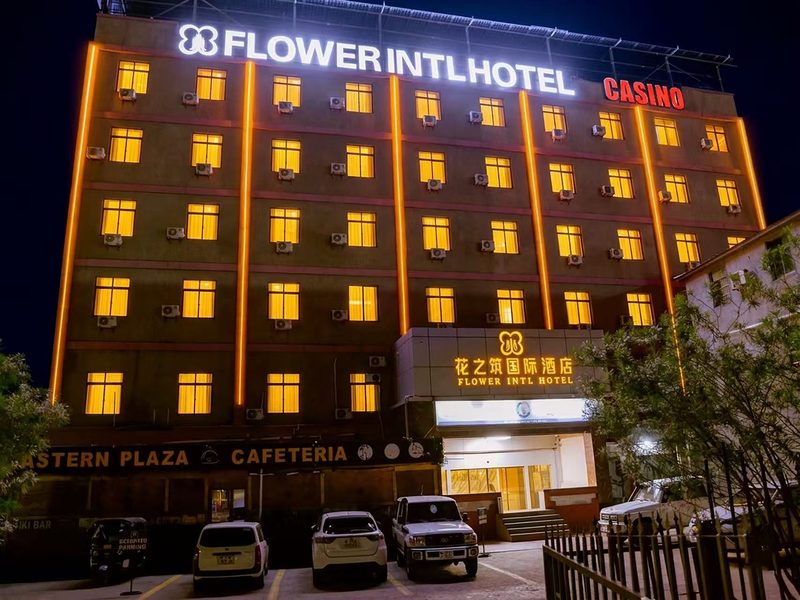
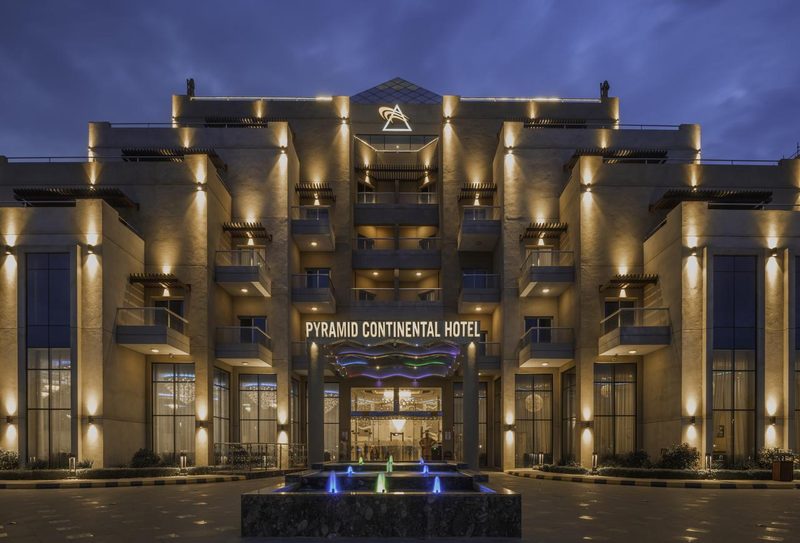
Where to Stay in Juba in November
Hand-picked hotels across price tiers for November travellers.
Packing Checklist
Bookmark this page — your progress is saved between visits
Need the full list with shopping links?
Climate-specific gear, brand recommendations, and what to leave at home.
View Juba Packing List →Essential Tips
Insider knowledge and common pitfalls to avoid
Insider Knowledge
The real dining in Juba happens in compounds and neighborhood spots without English signs. Ethiopian-run restaurants in central districts have delivered the city's most consistent food for over a decade. Those catering to locals and long-term expats rather than transient visitors tend to be both better and safer. Ask your guesthouse cook where to eat. That recommendation beats anything online.
November mornings between 5:30 and 8 AM are Juba's secret window. Temperatures hover near 20°C (69°F). Soft gold light plays over the Nile. The city moves almost gently before generators kick on and traffic builds. Photographers take note. This is your chance to see the city near peaceful. By 10 AM the heat settles in. Outdoor movement becomes a negotiation with stamina.
Cash rules in Juba. The South Sudanese pound fluctuates. US dollars are widely accepted and often preferred for larger transactions. Carry small denominations. Change is perpetually scarce. ATMs exist but their reliability is not something to stake a trip on. Arrive with enough physical US dollars for your entire stay. Treat any ATM withdrawal as a pleasant surprise.
Boda-boda motorcycle taxis cut through Juba's chaotic traffic fastest. They are also the city's most dangerous transport. Negotiate fare before mounting. Insist on a helmet even if the driver lacks a spare. Avoid them after dark. Prearranged vehicles through your accommodation cost more. They eliminate the single highest-risk activity most visitors engage in.
Avoid These Mistakes
Do not assume Juba will be cheap because South Sudan is a low-income country. The aid economy created parallel pricing. Accommodation, imported food, and reliable transport cost as much as or more than East African capitals like Nairobi or Kampala. Budget travelers expecting backpacker prices face uncomfortable compromises on safety and comfort.
Never move around Juba or travel outside without local guidance. Safe and less-safe zones shift. Roads passable one week may be impassable or inadvisable the next. Your guesthouse staff, long-term residents, and the NGO community provide your best real-time intelligence. Maps and apps do not.
Never photograph people, military installations, government buildings, or checkpoints without explicit permission. South Sudan's authorities are sensitive about photography. Consequences range from camera confiscation to detention and questioning. Always ask before pointing your lens at anyone. Keep cameras away entirely at checkpoints and official buildings.
Ready to plan your trip to Juba?
Now that you've got the research covered, here's where to go next.
Explore More Activities in Juba