
Where to Stay in Juba
Your guide to the best areas and accommodation types
Juba stacks its hotels in two tight clusters. The first is the compact central business district, where international chains and NGO-grade properties line dusty main avenues. The second is a scattered outer ring of guesthouses built for diplomats and aid workers. Expect generators humming through the night, English-speaking staff, and rates that reflect a supply-starved capital rather than any leisure draw.
Budget options exist but still cost more than comparable rooms in East Africa. Most travelers landing in Juba for business or humanitarian work settle into the mid-range bracket.
Budget
$60-90 per night for basic guesthouses and local hotels
Mid-Range
$100-180 per night for compound-style business hotels and boutique guesthouses
Luxury
$200-350 per night for international-brand properties with reliable infrastructure.
Our Picks
Radisson Blu Hotel Juba
→
Where to Stay in Juba
Hand-picked hotels across price tiers for every visitor.
Our Top Picks
The highest-rated hotel in each price range, selected from all neighborhoods.
Top Pick: Juba Town
Mid Range
Imperial Plaza Hotel, Juba
"فندق جميل جدا واسطاف راقي وهادي"
Massage room
Gym
Juba Town
Check prices on Trip.com →
Top Pick: Juba Town
Luxury
Nimule Logistics
Parking
Gym
Currency exchange
Luggage storage
Juba Town
Check prices on Trip.com →
Best Areas to Stay
Each neighborhood has its own character. Find the one that matches your travel style.
Hotel recommendations verified
Juba Town
Mid-range to luxury
The central business district holds government ministries, commercial banks, and the densest concentration of rated hotels in Juba. Wide dirt-and-tarmac avenues carry a steady parade of white Land Cruisers. The air carries diesel and charcoal drifting from roadside tea stalls. Most international arrivals base themselves here for at least the first night.
- ✓ Closest area to government offices and the central market
- ✓ The strongest cluster of hotels with 24-hour generator backup
- ✓ Walking distance to Konyo Konyo Market and the main banking strip
- ✓ Easiest zone for airport taxis to navigate to and from
- ✗ Noise from traffic and generators persists day and night
- ✗ Dust is relentless throughout the dry season from November to March
Recommended places to stay in Juba Town
Mid Range
Imperial Plaza Hotel & Resort Juba
✓ Verified
Check prices on Trip.com →
Luxury
Nimule Logistics
Parking
Gym
Currency exchange
Luggage storage
✓ Verified
Check prices on Trip.com →
Mid Range
Imperial Plaza Hotel, Juba
"فندق جميل جدا واسطاف راقي وهادي"
Massage room
Gym
✓ Verified
Check prices on Trip.com →
Mid Range
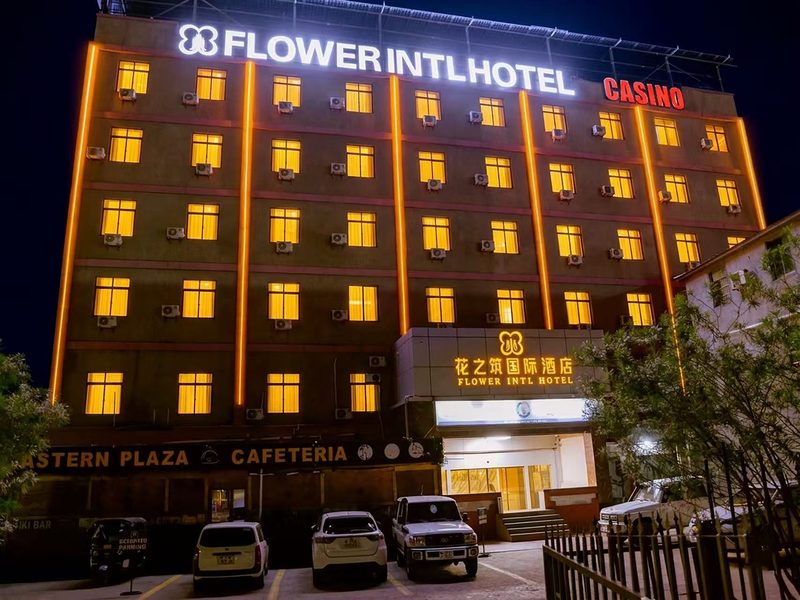
Flower International Hotel
"Here is my honest review about this hotel 1- the hotel is so near to the airport…"
Gym
Parking
Priority airport pick-up
Luggage storage
✓ Verified
Check prices on Trip.com →
Mid Range
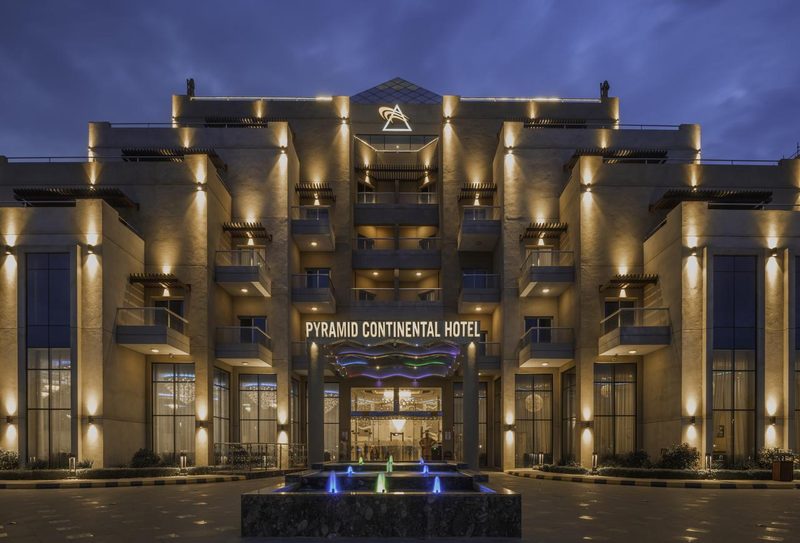
Pyramid Continental Hotel
"預訂2間客房,結果其中一間套房給的普通大床房,到酒店已經很晚了,沒有必要與他們理論,在非洲住酒店中國人很吃虧~不推薦!Booked 2 rooms, but o…"
Outdoor swimming pool
Casino
Sauna
Spa
✓ Verified
Check prices on Trip.com →
Kator
Budget to mid-range
Kator is Juba's most densely populated neighborhood, stretching east of the CBD with a mix of residential compounds, small churches whose music echoes at dusk, and a market that smells of fresh okra and woodsmoke. Streets narrow quickly off the main road, and the pace feels noticeably slower than the CBD a kilometer away.
- ✓ Lower rates than the central business district
- ✓ Kator Market offers the most authentic local produce and street food in Juba
- ✓ Quieter residential streets beyond the main artery
- ✓ Several guesthouses with kitchen access suited to longer stays
- ✗ Fewer sit-down restaurant options in the immediate area compared to the CBD
- ✗ Taxi access after dark requires advance arrangement rather than a roadside hail
Recommended places to stay in Kator
Mid Range
Palm Africa Hotel
Parking
Airport pick-up
Restaurant
Airport drop-off
✓ Verified
Check prices on Trip.com →
Mid Range
Radisson Blu Hotel, Juba
"Excellent"
Outdoor swimming pool
Sauna
Spa
Massage room
✓ Verified
Check prices on Trip.com →
Mid Range
Glory Regency Hotel
Parking
Airport pick-up
Restaurant
Airport drop-off
✓ Verified
Check prices on Trip.com →
Nile Riverside
Mid-range to luxury
The western bank of the White Nile offers the most atmospheric setting in Juba, with the slow brown river visible through gaps in the acacia trees. The air here smells of damp earth and river water. Early mornings bring a cool breeze before the equatorial heat reasserts itself. Afex on the Nile has turned this strip into the social center of the expat city.
- ✓ The only district in Juba with genuine river views and an evening breeze
- ✓ Afex on the Nile is the city's best-known social gathering point
- ✓ A cooler microclimate near the water compared to the dusty CBD
- ✓ Spectacular light over the Nile at sunset, with fishing boats cutting quiet silhouettes.
- ✗ Taxis from Juba International Airport take longer to reach than the CBD
- ✗ Low-lying ground carries flooding risk during the heavy rains of July and August.
Recommended places to stay in Nile Riverside
mid_range
Afex on the Nile
Munuki
Mid-range to luxury
Munuki sits north of the CBD and has grown into Juba's NGO corridor, with international organization compounds, fuel depots, and logistics hubs lining the roads. The air carries the faint chemical smell of fresh tarmac and diesel from heavy vehicles that roll through from dawn. The neighborhood is functional rather than charming. Yet accommodation here consistently delivers better infrastructure reliability than areas further south.
- ✓ Closest residential area to several UN agency compounds
- ✓ Better relative water supply than the CBD
- ✓ Large-compound guesthouses have the generator capacity for round-the-clock power.
- ✓ Several international-menu restaurants cater to the entrenched expat population
- ✗ Little neighborhood character or local atmosphere to speak of
- ✗ Heavy commercial vehicles generate noise and dust from well before sunrise
Recommended places to stay in Munuki
mid_range
Safari Hotel Juba
Gudele
Budget
Gudele is the most distant residential district from the center, spread across low terrain that turns to sticky red mud when the rains arrive. The smell of cooking fires and the sound of evening church music give it the most local character of any area in Juba with functioning hotel infrastructure. Prices here reflect the inconvenience of the commute rather than any lack of genuine South Sudanese hospitality.
- ✓ Significantly lower nightly rates than the CBD or riverside
- ✓ Quieter nights without the generator roar of the hotel districts
- ✓ Gudele Market sells fresh local produce at local rather than expat prices
- ✓ A slower pace that reveals a side of Juba the CBD completely conceals
- ✗ The commute to the central business district can stretch well beyond an hour in heavy traffic.
- ✗ Paved roads thin out quickly, making the area extremely difficult to reach during wet-season downpours.
Recommended places to stay in Gudele
mid_range
Gudele Guest Lodge
Hai Malakal
Mid-range
Hai Malakal is a residential area southwest of the airport, characterized by wider plots, newer construction, and a growing number of mid-range hotels catering to business travelers who prefer proximity to the airport over the downtown bustle. The air is noticeably clearer than the dust-choked CBD, carrying the scent of flowering hedges watered by boreholes.
- ✓ Closest accommodation area to Juba International Airport (5-10 minute drive)
- ✓ Newer hotel buildings with modern plumbing and electrical systems
- ✓ Less traffic congestion compared to the CBD and Munuki
- ✓ Quieter, more residential atmosphere
- ✗ Very limited dining and entertainment options within walking distance
- ✗ Far from government offices, markets, and most NGO compounds
- ✗ Requires a taxi for any trip into the city, adding cost and time
Find Hotels in Juba
Compare prices and book your perfect stay
Find the best hotel for your stay on Trip.comPrices via Trip.com. We may earn a commission from bookings.
Accommodation Types
From budget-friendly hostels to luxury hotels, here's what's available.
International Hotels
$200-350 per night
A handful of branded CBD properties in Juba deliver consistent power, water, and security that business visitors and diplomatic travelers depend on. They keep the lights on. They keep the water running. They keep you safe.
Best for: Business travelers, diplomats, and journalists who need reliable infrastructure, meeting rooms, and an address that corporate travel desks recognize. They want certainty. They need credibility. They book these hotels.
Compare prices onlinely with the hotel for the best rate. Online platforms frequently lag behind real availability in Juba and may show rooms as open when they are long gone. Call the desk. Send an email. Skip the apps.
Boutique Guesthouses
$100-180 per night
Compound-style boutique guesthouses like Logali House offer local character and a social bar scene that the international chains in Juba cannot replicate. Drinks flow. Stories swap. Diplomats mingle with reporters.
Best for: NGO staff, journalists, and independent travelers who want genuine atmosphere alongside the infrastructure reliability that working in Juba demands. They crave authenticity. They need Wi-Fi. They find both here.
Rooms at well-known boutique properties fill weeks ahead during peak mission periods in January and September. Email the property directly rather than relying on booking platforms. January is brutal. September is worse. Plan early.
Local Guesthouses
$60-100 per night
Simple rooms in residential Kator and Gudele compounds serve South Sudanese business travelers at Juba's lowest available nightly rates. No frills. No fuss. Just a bed.
Best for: Budget-conscious travelers comfortable with intermittent power, cold-water showers, and facilities aimed at the regional African traveler rather than the Western NGO visitor. Bring a torch. Embrace the chill. Save cash.
Walk-in rates at local guesthouses are almost always lower than any online rate, as the majority do not list on international booking platforms. Knock on the gate. Bargain in person. Pay less.
NGO Guesthouses
$80-150 per night
Several international organizations in Juba operate guesthouses open to affiliated visitors, offering reliable power and institutional booking requirements. Clean sheets. Steady lights. Paperwork required.
Best for: Travelers with a formal affiliation to an international organization or development agency who can satisfy the institutional vetting process. Badge holders only. No walk-ins. Strict protocol.
Affiliation documentation is required before a reservation is confirmed. These properties are invisible on consumer travel platforms and must be booked through organizational channels. Email HR. Attach your letter. Wait for approval.
Booking Tips
Insider advice to help you find the best accommodation.
The luxury tier in Juba has no walk-in availability
The Radisson Blu and comparable properties run at high occupancy year-round, sustained by diplomatic missions, long-term NGO contracts, and UN project teams. Book the CBD luxury tier at least three to four weeks ahead and confirm your reservation by direct email rather than relying on the online system alone. Diplomats never cancel. NGOs book blocks. Plan accordingly.
Power and water reliability should drive your hotel choice
Before booking any accommodation in Juba, confirm the generator capacity and water storage independently of what the listing states. The gap between a hotel running full backup power and one offering a few hours per evening is the single largest quality divide in the entire city, and it is not reflected in the room rate. Ask hard questions. Demand specifics. Sleep better.
Airport transfers need to be arranged before you land
Juba International Airport sits south of the city, and unlicensed taxis at the arrivals gate charge several times the fair rate to disoriented new arrivals. Arrange hotel pickup in advance or coordinate through a trusted local contact. The ten-minute conversation before you fly saves significant frustration at the gate. Skip the touts. Trust your hotel. Save your wallet.
When to Book
Timing matters for both price and availability.
High Season
Book three to four weeks ahead for November through February, when missions and year-end NGO rotations fill CBD hotels quickly and cancellation rates are low. November is crunch time. February is worse. Lock it in.
Shoulder Season
March to May and October offer slightly lower occupancy, though prices in Juba rarely soften significantly outside of the quiet wet months. Expect minor discounts. Expect less chaos. Expect rain.
Low Season
June to September brings the heaviest rains and the lowest hotel demand across Juba; last-minute rooms appear even at better properties, and rates at local guesthouses in Gudele and Kator become negotiable. Bring an umbrella. Bring cash. Haggle hard.
For Logali House or the Radisson Blu, four weeks is the minimum safe lead time. For local guesthouses in Kator or Gudele, one week ahead is generally sufficient outside of major international events. Luxury needs notice. Budget stays flexible. Plan smart.
Good to Know
Local customs and practical information.
Check-in / Check-out
Most hotels in Juba observe a flexible midday check-in window; confirm your precise arrival time in advance, on early-morning flights from Nairobi or Addis Ababa when the room from the night before may still be occupied. Send the flight number. Request early check-in. Pack patience.
Tipping
Not formally expected but consistently appreciated. Rounding up a restaurant bill or leaving a small amount for housekeeping staff at the end of a stay is considered generous and culturally appropriate across Juba. Leave 5 USD. Smile. Word spreads.
Payment
USD is the de facto currency at all internationally graded hotels in Juba. Local guesthouses accept South Sudanese pounds but at variable informal rates, and most prefer USD for any transaction beyond a single night. Carry dollars. Count change twice. Negotiate politely.
Safety
Juba requires more situational awareness than most East African capitals. Follow your hotel's current guidance on areas and hours to avoid, keep valuables locked in the room safe, and arrange all transport through your hotel or a trusted local contact rather than hailing vehicles from the street. Listen closely. Lock up. Stay safe.
Ready to plan your trip to Juba?
Now that you've got the research covered, here's where to go next.