Things to Do in Juba in May
May weather, activities, events & insider tips
Low Season · Budget Friendly
May Weather in Juba
Long-run averages for May
92°F (33°C)
High Temp
72°F (22°C)
Low Temp
5.1 inches (130 mm)
Rainfall
58%
Humidity
12
Sunny-Day UV
⚠ Malaria transmission peaks during May's wet season. Standing water across the city creates breeding grounds for Anopheles mosquitoes, and Juba's medical facilities are not equipped to handle severe cases. Prophylaxis, treated nets, and rigorous bite prevention are critical.
⚠ Afternoon downpours can flood low-lying roads within minutes, stranding vehicles and cutting off neighborhoods. Routes that were passable in the morning may be impassable by mid-afternoon. Always confirm road conditions before setting out and maintain flexibility in your schedule.
⚠ Heat stress remains a real risk despite the cooler averages. Humidity at 58 percent reduces the body's ability to cool through sweat, and midday temperatures at 33°C (92°F) in humid conditions feel substantially hotter than the number suggests. Hydrate aggressively and avoid prolonged direct sun exposure between ten in the morning and three in the afternoon.
Is May Right for You?
Weigh the advantages and considerations before booking
Advantages
- + May rains cool Juba's daytime heat from February and March's brutal 37°C (99°F) peaks to a more manageable 33°C (92°F). The White Nile landscape shifts from scorched brown to deep, startling green. The city's outskirts transform into something unrecognizable from dry-season photographs. This is the green season. It changes everything.
- + International visitor numbers hit their lowest point outside December holidays. Restaurants and guesthouses serving NGO and diplomatic workers have real availability. Your use on room rates tilts noticeably in your favor. Compare this to the packed January through March corridor. Book now. Save money.
- + Wet season coaxes Juba's river life into full expression. Fishermen haul larger Nile perch and tilapia. Custom Market fish stalls offer fresher, more varied catch. The White Nile stretch south of Juba Bridge carries muscular current. The waterfront feels entirely different. Energy shifts. The river awakens.
- + SPLA Day on May 16 opens Juba's public life beyond daily grind. Military parades fill the streets. Community gatherings pulse through the city center. Collective energy surges. This window into South Sudanese identity stays locked during ordinary weeks. Plan around it. Worth the effort.
Considerations
- − Rains turn Juba's unpaved roads, most outside the central corridor, into thick red laterite mud. Vehicles sink axle-deep. Fifteen-minute dry-season journeys stretch past an hour after downpours churn key junctions into soup. Some outlying routes become impassable for hours. Check conditions. Leave early.
- − May sits in malaria transmission peak. Standing water collects in ditches, tire tracks, drainage channels. Mosquitoes breed aggressively. Juba's limited health infrastructure makes prevention existential, not optional. Prophylaxis, nets, repellent form non-negotiable baseline equipment. Pack carefully. Sleep protected.
- − Security conditions remain fluid, shifting with little warning. Juba stays calmer than countryside. Movement after dark is inadvisable. Certain neighborhoods need local guidance. Visitors should maintain informed caution, not casual exploration. Midnight camera walks are unwise here. Stay alert. Respect boundaries.
Best Activities in May
Top things to do during your visit
White Nile Waterfront and Boat Excursions
May rains swell the White Nile into wide, coffee-brown current. Juba's waterfront transforms completely. South of Juba Bridge, fishermen pull wooden boats onto muddy banks. Women sell smoked tilapia on wire racks. Charcoal, river silt, woodsmoke mingle in the air. Hire a boat before eight. Gold light. Tolerable heat. Papyrus banks teem with herons, kingfishers, monitor lizards on half-submerged logs. By noon, sun punishes even through cloud cover. Dawn brings busiest river life. Mist sits on water. Oars creak in wooden locks. This is Juba's closest approach to tranquil. Don't miss it.
Booking Tip: Arrange boat trips through your guesthouse or locally recommended fixer at least two days ahead. Insist on life jackets. Confirm the operator understands wet season current strength. See booking section below for currently listed Juba river experiences. Plan ahead. Stay safe.
Konyo Konyo Market Cultural Immersion
Konyo Konyo is Juba's central nervous system. This large open-air market has operated for decades on the same city center ground. May rains slick the aisles between stalls. Foot traffic churns mud. Smells layer densely: ground peanuts on flat iron pans, sharp ginger in baskets, diesel from generator phone-charging stations, warm yeasty kisra on hot plates. Wet season expands the produce section. Local farms push out okra, tomatoes, leafy greens. These look different from dry-season versions. Bring a local contact. Navigate the social geography. This market serves residents, not browsing tourists. Yet it offers Juba's most honest daily life cross-section. Vendors selling hand-stitched leather, woven baskets, secondhand clothing welcome respectful, curious visitors. Leave the camera in your bag. Approach with genuine interest.
Booking Tip: No formal tours operate here. Ask your accommodation to connect you with a local market guide. Mid-morning weekdays avoid worst congestion and heat. Check booking section for any guided Juba cultural experiences currently available. Go early. Stay comfortable.
Jebel Kujur Hill Trek and Cultural Sites
Jebel Kujur rises 15 km (9.3 miles) south of central Juba. This rocky outcrop holds cultural significance for the local Bari community. It offers one of few genuine elevation gains accessible from the capital. The moderate climb covers roughly 2 km (1.2 miles) to summit. May greening makes panoramic views striking: White Nile threading through landscape, red-dirt sprawl of southern Juba expansion, tree-studded savanna stretching toward Ugandan border. Local guides explain spiritual significance of certain formations and gathering sites. Start at dawn. Beat the heat. By ten, 58 percent humidity and climbing sun make exposed rock radiate uncomfortable heat. Bring more water than you think. Carry at least 2 liters (half a gallon) per person. Wear shoes with genuine grip. Laterite paths turn treacherous when wet. Prepare properly. Respect the mountain.
Booking Tip: Book a vehicle and local guide through your accommodation at least one day ahead. The road to Jebel Kujur turns rough after rain. A driver who knows passable routes saves hours. See the booking section for current Juba excursion options.
Nile Perch and Local Cuisine Tasting
May is the best month for eating fish in Juba. Rains drive Nile perch and tilapia into shallower, more productive feeding grounds. The catch landing at riverbank fish markets tends to be larger and more varied than in dry months. Juba eats fish directly: whole tilapia grilled over charcoal until skin blackens and crisps, served on paper with posho (maize meal porridge) and bamia, the okra stew that anchors South Sudanese home cooking. May bamia uses fresh okra rather than dried, giving a silkier, less fibrous texture. Cooks at established riverside spots, working twenty or thirty years, often add ground peanuts that thicken broth into something rich and slightly sweet. Wash it down with chai spiced with cardamom and cloves, brewed sweet and milky in small kettles over charcoal. The taste resembles Kenyan or Sudanese tea culture. After a few days in Juba, it punctuates every meal.
Booking Tip: Head to established fish grilling areas near Custom Market waterfront in late afternoon when the day's catch arrives. No booking needed. Going with someone who knows the regulars gets you better fish and a warmer welcome. Check the booking section for food-focused Juba experiences.
Rajaf and Gondokoro Heritage Day Trip
About 15 km (9.3 miles) south of Juba along the Nile, the area around Rajaf and old Gondokoro holds history predating South Sudan's modern conflicts by centuries. Gondokoro was a 19th-century ivory trading station where European explorers like Samuel Baker launched expeditions deeper into East Africa. Physical remains are fragmentary. But the Nile bend setting is atmospheric in wet season: tall grass, water sounds against the bank, birds everywhere. Rajaf itself is a small settlement where Bari community life continues as it has for generations, with tukul homesteads, small-scale farming, and a pace removed from Juba's generator-and-traffic noise by far more than 15 km (9.3 miles). The May drive can be challenging depending on recent rainfall. When the road cooperates, this is the most rewarding half-day trip from the capital for anyone interested in this region's deeper past.
Booking Tip: This requires a vehicle, a driver who knows road conditions, and ideally a guide with area history knowledge. Arrange through your accommodation or a local contact at least two days ahead. Roads may be impassable after heavy rain. Build flexibility into your schedule. Check the booking section for current day trip options from Juba.
Where to Stay in Juba in May
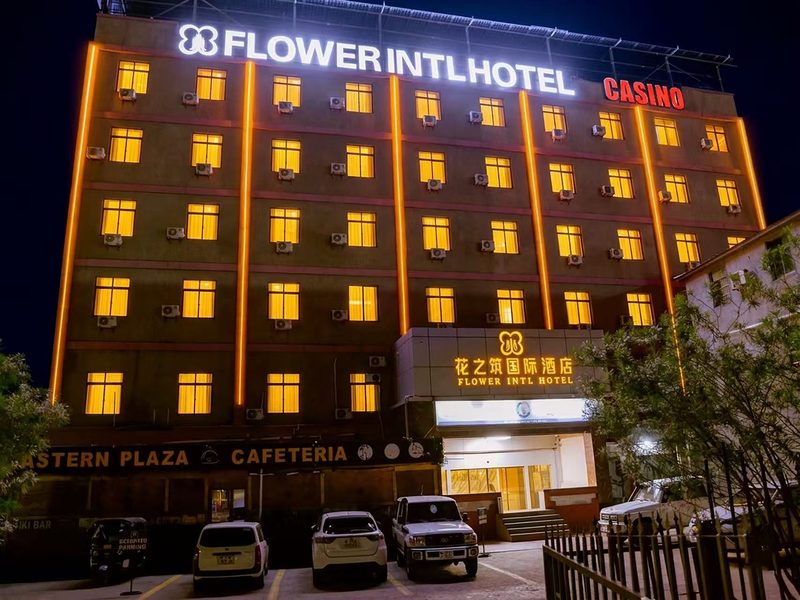
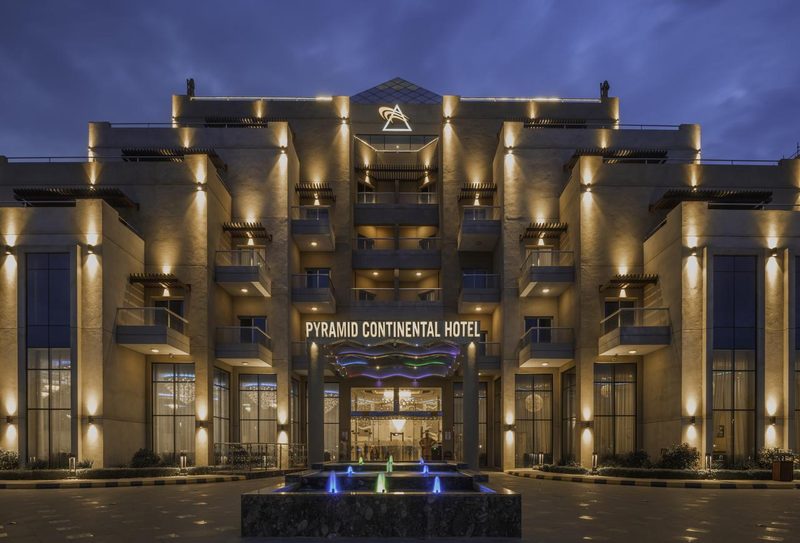
Hand-picked hotels across price tiers for May travellers.
Public Holidays in May
Dates that affect opening hours, transport and crowds
Labour Day
Observed nationwide as a public holiday.
SPLA Day
Observed nationwide as a public holiday.
Labour Day
Observed nationwide as a public holiday.
SPLA Day
Observed nationwide as a public holiday.
Packing Checklist
Bookmark this page — your progress is saved between visits
Need the full list with shopping links?
Climate-specific gear, brand recommendations, and what to leave at home.
View Juba Packing List →Essential Tips
Insider knowledge and common pitfalls to avoid
Insider Knowledge
The US dollar is the practical currency for most transactions involving visitors, and cash is king. Card payment infrastructure barely exists outside a handful of international-standard hotels, and ATMs are unreliable when they exist at all. Bring enough US dollars in small denominations to cover your entire stay, with a buffer. South Sudanese pounds are used for smaller local purchases at markets, and the exchange rate at Konyo Konyo money changers tends to be more favorable than what formal exchange points offer. But go with a local contact who knows the reliable operators.
Movement after dark in Juba is inadvisable for visitors without local knowledge. The city has minimal street lighting, checkpoints can appear unpredictably, and the general security posture shifts significantly once the sun goes down. Plan your day to be back at your accommodation by sunset, which in May falls around half past six. If you need to move at night, arrange vehicle transport in advance through trusted contacts rather than flagging down anything on the road.
May afternoon rainstorms typically hit between one and four in the afternoon, often with dramatic intensity followed by a relatively quick clearing. The locals read the sky instinctively, and if you see people moving purposefully toward covered structures around midday, follow their lead. The smart rhythm is to do all outdoor activity before noon, shelter through the storm, and use the cooler, washed-air late afternoon for a second push of activity before dusk.
The dining scene in Juba that caters to visitors is concentrated in a few neighborhoods, around the Hai Malakal and Thongpiny areas, and it is heavily shaped by the international worker economy. Portions tend to be large, the cuisine spans East African, Ethiopian, Sudanese, and sometimes Lebanese or Indian influences, and the quality at the established places that have survived Juba's turbulent years is good. Ask your guesthouse staff where they eat on their own time, not where they send guests, and you will find better food at a fraction of the cost.
Avoid These Mistakes
Assuming Juba operates like other East African capitals. Nairobi and Kampala have tourism infrastructure built over decades. Juba does not. There are no hop-on-hop-off buses, no well-marked walking trails, no tourist information centers. Every logistical step, from airport transfer to market visit to day trip, requires advance arrangement through local contacts or your accommodation. Arriving without a plan and contacts on the ground is the single most common mistake, and it turns a challenging but rewarding visit into a frustrating and potentially unsafe one.
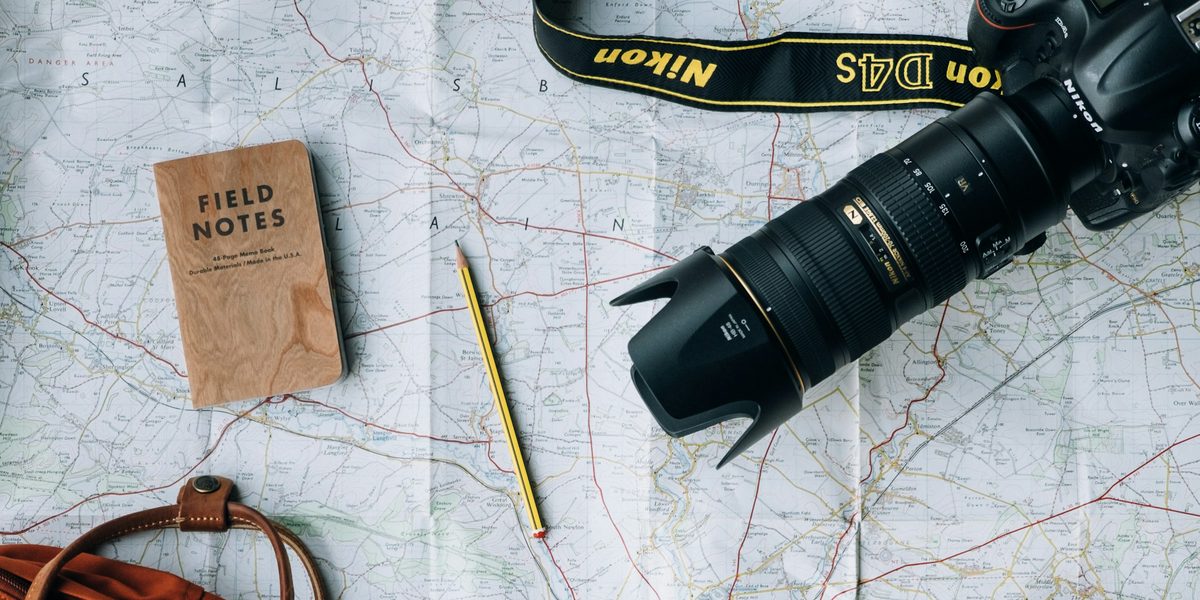
Photographing without explicit permission, near government buildings, military installations, checkpoints, or uniformed personnel. This is not a cultural suggestion but a security imperative. Juba has active sensitivities around documentation and surveillance, and a visible camera pointed in the wrong direction can escalate a routine interaction into a serious problem within seconds. Ask before every photograph of people, and accept a no without argument.
Underestimating the health preparation required. Juba sits in one of the highest malaria transmission zones in the world, and May's standing water amplifies the risk. Travelers who skip prophylaxis, neglect repellent, or treat the mosquito risk casually are gambling with a disease that kills. Begin antimalarials before arrival as directed by your travel health provider, ensure yellow fever vaccination is current and documented, and carry proof of both at all times.
Ready to plan your trip to Juba?
Now that you've got the research covered, here's where to go next.
Explore More Activities in Juba