Things to Do in Juba in September
September weather, activities, events & insider tips
Low Season · Budget Friendly
September Weather in Juba
Long-run averages for September
91°F (33°C)
High Temp
69°F (21°C)
Low Temp
4.1 inches (104 mm)
Rainfall
71%
Humidity
13
Sunny-Day UV
⚠ Malaria risk spikes in September. Standing water from earlier wet months creates ideal breeding conditions. Prophylaxis is essential, not optional. Start before arrival per your travel doctor's guidance. Even with medication, aggressive mosquito avoidance is necessary from dusk onward. Cover up. Use repellent. Sleep under nets.
⚠ Unpaved roads throughout Juba and surrounding areas turn treacherous after heavy rain. Flash flooding hits low-lying zones hardest. The Nile floodplain and neighbourhoods like Gudele and parts of Munuki can strand vehicles with little warning. Always confirm road conditions first. Never drive through standing water of unknown depth. Turn back instead.
⚠ Expect 33°C (91°F) highs with 71% humidity. This combination creates serious heat-stress risk, for travelers from temperate climates. Dehydration hits faster than you expect. Climate-controlled spaces outside major compounds are scarce, so your body gets fewer recovery windows than in most tropical cities. Carry water constantly. Watch for early heat exhaustion signs: headache, dizziness, nausea. These mimic jet lag. Do not ignore them.
Is September Right for You?
Weigh the advantages and considerations before booking
Advantages
- + The rains are easing. September marks the back slope of Juba's wet season, with rainfall dropping to 4.1 inches (104 mm) from August's punishing 5.0 inches (127 mm). The afternoon storms still roll through. But they tend to be shorter, sharper, and followed by evenings where the air feels breathable for the first time in months. The humidity drops from August's oppressive 82% to a more tolerable 71%, which in Juba terms counts as relief. Pack light cotton layers.
- + The landscape around Juba is at its absolute peak. The savanna flanking the White Nile turns an almost impossibly saturated green that you simply do not see during the dry months, when everything bakes to ochre and dust. The Nile itself runs high and fast, brown with silt from the Ethiopian highlands, and the birdlife along the riverbanks explodes during this window, with migrant species arriving alongside the resident fish eagles and kingfishers. Bring binoculars. The light is extraordinary.
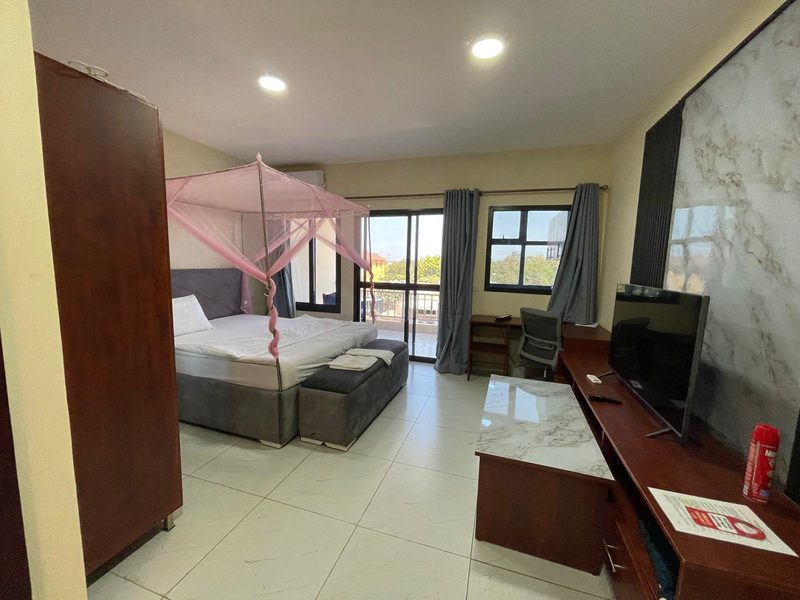
- + Accommodation pressure drops noticeably in September. The consultancy and NGO rotation cycle tends to thin out between contract periods, and the compound guesthouses and serviced apartments that drive Juba's accommodation economy have more availability than at almost any other point in the year. You are more likely to negotiate a reasonable rate than during the packed January through March dry-season window. Ask for weekly rates. Rooms sit empty.
- + The local food supply is at its most varied. September falls during the harvest overlap when fresh sorghum, groundnuts, okra, and leafy greens from the surrounding Equatoria farmland flood into Konyo Konyo Market. The Nile tilapia catch runs strong, and the grilled fish stalls along the river put out some of the best eating you will find in the city all year. Arrive hungry. The portions are generous.
Considerations
- − Road conditions remain difficult. Despite the easing rainfall, two solid months of heavy wet season have already turned Juba's unpaved roads into rutted, waterlogged channels of red laterite mud. The stretch between Gudele and Munuki can swallow a standard sedan up to its axles after a heavy downpour, and even main arteries like the Juba-Nimule highway develop sections that require four-wheel drive. Plan every movement around road reports, and do not assume that because the rain has slowed, the mud has dried. Check conditions twice daily.
- − Mosquitoes are at their annual worst. The standing water left by months of rain creates ideal breeding conditions, and September's warm evenings bring swarms that make sitting outdoors after dark unpleasant without serious repellent and long sleeves. Malaria risk is elevated, and prophylaxis is not optional. Even with precautions, expect to hear the high-pitched whine of mosquitoes inside your room if the screens have even a small gap. Sleep under nets. Inspect seals carefully.
- − The security environment requires deliberate planning that goes well beyond what most travel destinations demand. Juba has stabilized considerably since the worst years of the civil conflict. But September 2027 falls during a politically sensitive period, and movement after dark remains strongly discouraged. Travelers need current security briefings, reliable local contacts, and a willingness to accept that plans change quickly here. This is not a city where you wander and improvise. Register with your embassy. Stay informed.
Best Activities in September
Top things to do during your visit
White Nile Sunset Boat Excursions
September puts the White Nile at or near its annual high-water mark, and the river running through Juba takes on a muscular, silt-heavy character entirely different from the placid flow of January. Local boatmen operate wooden motorized craft from launch points near the Juba Bridge, and an evening run upstream gives you the city's best vantage point. The air cools noticeably on the water, the smell shifts from diesel and charcoal to wet earth and river grass, and the fish eagles hunting along the banks put on a show that never gets old no matter how many times you see it. Go in the last ninety minutes before sunset, when the light turns the Nile copper and the storm clouds that built all afternoon break apart into colours you cannot manufacture. The breeze on the water also happens to be the one reliable mosquito reprieve you will find after 5 PM. Book ahead. The timing matters.
Booking Tip: Arrange through your accommodation or a trusted local contact at least two days ahead. September's high water means not every launch point is accessible, and you want a boatman who knows the current river conditions. Life jackets are non-negotiable and should be confirmed before boarding. See current options in the booking section below. Verify equipment. Trust your instincts.
Konyo Konyo Market Cultural Immersion
Konyo Konyo is Juba's central market and its emotional engine, a large, loud, overwhelming grid of stalls and open-air vendors that smells like roasting groundnuts, fresh-cut sugarcane, and the sharp tang of spilled diesel fuel from the generators powering the mobile phone charging stations. September is prime time for the produce section, where the harvest from Western and Central Equatoria brings in pyramids of okra, bundles of dark leafy greens, tomatoes still warm from the field, and the small, intensely flavoured local mangoes that appear for only a few weeks around this time of year. The textile section, where South Sudanese women shop for the brightly printed cotton wraps worn across all of Juba's ethnic communities, is worth an hour of slow browsing even if you are not buying. Go before 9 AM, when the heat is still manageable and the energy is at its sharpest, with vendors calling out prices and haggling in a mix of Arabic, English, and Bari that captures Juba's layered identity better than any museum could. Wake early. The market rewards it.
Booking Tip: No booking needed. But go with a local guide or trusted contact. The market is safe during daylight hours but easy to get disoriented in. Leave valuables at your accommodation and carry only the cash you plan to spend in small denominations. Check current guided cultural tour options in the booking section below. Stay alert. Keep moving.
Jebel Kujur Sunrise Hikes
Jebel Kujur rises about 10 km (6.2 miles) south of central Juba. This rocky granite hill is sacred to the Bari community. It offers the only elevated viewpoint over the city and the surrounding Nile floodplain. In September, the surrounding bush is dense and green. The hike up the rocky trail, roughly 1.5 km (0.9 miles) to the summit, takes you through vegetation alive with birdsong and the rustle of lizards in the undergrowth. Timing matters. Start at first light, around 6:15 AM, when the air temperature still sits near the 21°C (69°F) overnight low and the rocks are not yet radiating stored heat. From the top, Juba spreads out below you in a patchwork of tin roofs, green compound trees, and the silver-brown thread of the Nile. By 9 AM the heat builds fast toward the 33°C (91°F) daily high and the climb becomes punishing. The trail can be slippery after overnight rain, so proper footwear with grip is essential, not sandals.
Booking Tip: Arrange a vehicle and local guide through your accommodation the evening before. The access roads to Jebel Kujur can be muddy in September, and you want a driver who knows which route is passable on any given morning. Carry at least 2 litres (0.5 gallons) of water per person and let someone know your plan before heading out. See the booking section below for guided excursion options.
Nile Fish Grilling Along the Riverbank
The grilled fish stalls that set up along the White Nile's banks near Juba town are the city's defining food experience, and September is arguably the best month for it. The Nile tilapia coming out of the river right now are fat from months of high water and feeding, and the whole fish, scaled, gutted, and grilled over charcoal until the skin crackles and the flesh underneath stays moist and flaky, arrive on a metal tray with nothing more than sliced raw onion, a squeeze of lime, and a mound of kisra, the fermented sorghum flatbread that tastes faintly sour and slightly tangy, somewhere between injera and a sourdough crepe. The charcoal smoke mixes with the wet-earth smell of the Nile, and you eat with your hands while the evening call to prayer drifts across from the mosque on the opposite bank. The Nile perch, when available, is a different experience entirely, meatier and denser, grilled in thick steaks rather than whole. Go between 5 PM and 7 PM for the freshest catch and the best light.
Booking Tip: No formal booking required. Ask your local contact or accommodation staff which riverbank stalls are operating and accessible given current road conditions. Some stalls move or close depending on the river level. Carry your own bottled water. For guided food-focused cultural tours, check current availability in the booking section below.
Bari Community Cultural Visits
The Bari people are the indigenous community of the Juba area, and their settlements on the outskirts of the city offer a window into a way of life that predates Juba's transformation into a national capital by centuries. September, with its green landscape and harvest activity, is a natural time for these visits, as community life is focused on the fields and the rhythms of food preparation. Depending on the arrangement, you might watch women grinding sorghum on stone, help with the sorting of freshly harvested groundnuts, or sit through the preparation of walwal, a thick sorghum porridge served communal-style from a single pot. The texture is dense and slightly gritty, eaten by pulling off a lump and dipping it into a stew of dried fish or okra. The sound of Bari conversation, tonal and rhythmic, fills the air alongside the clatter of cooking implements and the shrieks of children who find your presence equal parts fascinating and hilarious. These visits only work when arranged respectfully through community intermediaries. Drop-in visits are culturally inappropriate and should not be attempted.
Booking Tip: Arrange at least a week ahead through a reputable local cultural organisation or community liaison. A monetary contribution to the community is expected and appropriate, and your intermediary will advise on the form and amount. Dress modestly and bring a small, practical gift such as school supplies or cooking oil. See the booking section below for cultural experience options.
Where to Stay in Juba in September
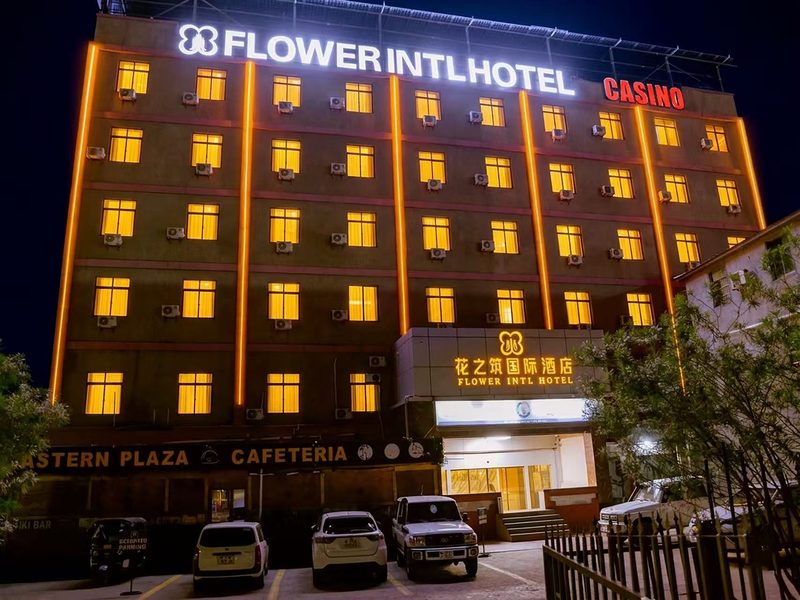
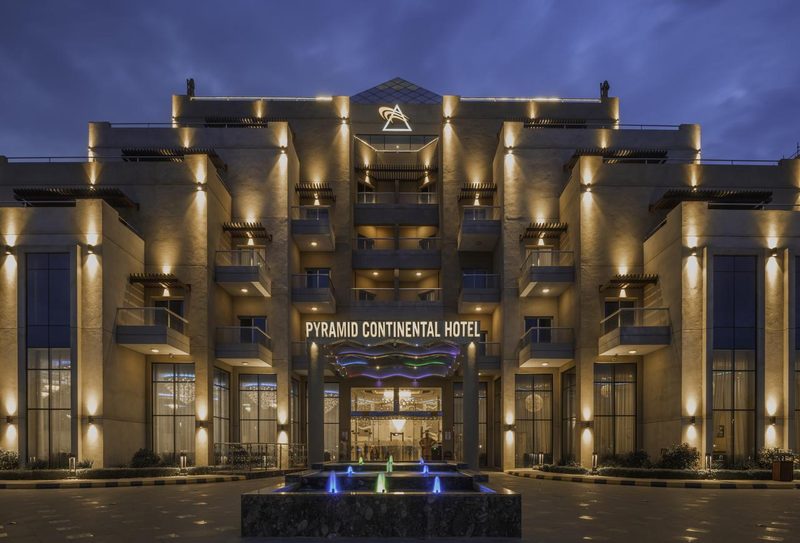
Hand-picked hotels across price tiers for September travellers.
Packing Checklist
Bookmark this page — your progress is saved between visits
Need the full list with shopping links?
Climate-specific gear, brand recommendations, and what to leave at home.
View Juba Packing List →Essential Tips
Insider knowledge and common pitfalls to avoid
Insider Knowledge
Carry US dollars in small denominations. Fives and tens only. Keep them pristine. No creases. The South Sudanese Pound remains volatile. USD is the de facto currency for accommodation, transport, and anything past market haggling. Torn bills get refused. Marked bills get refused. Old series bills get refused. This is absolute. Source fresh bills before departure.
The best meals in Juba hide behind gates. Residential compounds and NGO bases house them. Local cooks prepare traditional South Sudanese food for staff. No signs. No menus. No online presence. The slow stewed goat with groundnut paste surpasses hotel dining. Freshwater fish preparations do too. Access requires local introductions. A trusted Juba contact is essential. Not optional. Essential.
September mornings from 6 AM to 8 AM are Juba's finest hours. Overnight temperatures drop to 21°C (69°F). The air smells of damp earth and cooking fires. The city stays quiet. Generators have not started. Traffic has not begun grinding through mud. Walk now. Do outdoor activities now. Absorb the place now. By 10 AM the heat builds. Your chance evaporates. Wait until late afternoon.
Never photograph military installations. Never photograph government buildings. Never photograph checkpoints. Never photograph uniformed personnel. This is standard conflict zone advice. It is enforced seriously in Juba. Street scenes with soldiers in the background create problems. Ask before photographing anyone. Accept refusal gracefully. Juba's people are warm and curious. Cameras change everything. Instantly.
Avoid These Mistakes
Do not assume free movement after dark. Juba transforms at sunset. Difficult roads become risky roads. Crime matters. Unlit potholes matter more. Some are deep enough to wreck vehicles. Unmarked checkpoints appear. Help arrives slowly if trouble finds you. Plan your day. Return to accommodation before dusk. In September that means 6:30 PM.
Do not pack for basic tourist infrastructure. Juba has none. No information desks. No reliable taxi apps. No hostel circuit. No English signage beyond main roads. Every detail demands pre arrangement. Transport, meals, safe water, communication. Arrange them yourself. The worst experiences belong to travelers expecting Nairobi or Addis Ababa. Figure it out on the ground? Impossible here.
Never drink tap water. Never use ice. The advice seems obvious. September heat and humidity create desperate thirst. Carelessness follows. Juba's municipal water is unsafe for visitors. Brush teeth with bottled water. Refuse ice unless purification is certain. Treat unverified water. Waterborne illness escalates fast here. Medical facilities cannot handle complications.
Ready to plan your trip to Juba?
Now that you've got the research covered, here's where to go next.
Explore More Activities in Juba